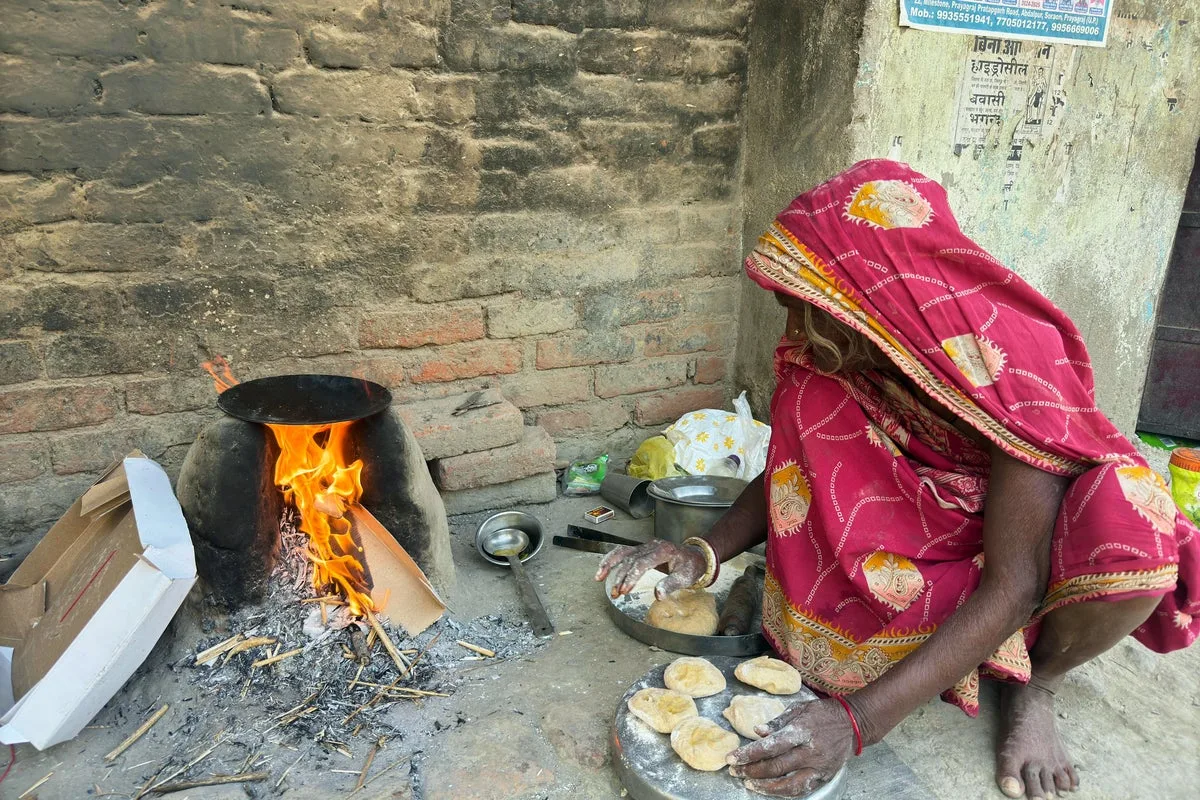
In Nairobi’s Kibera settlement, Brenda Obare once cooked with a blue flame from a gas stove. Now, she crouches over a charcoal burner as soaring energy prices make cooking gas unaffordable. 'We don’t have many options,' she said. 'You use what you can afford.' Across Africa and South Asia, years of progress in shifting households from charcoal and firewood to cleaner fuels like LPG are unravelling, driven by disruptions from the Iran war.
The consequences are severe. Air pollution from biomass fuels killed 2.9 million people in 2021, according to the World Health Organization. Increased wood harvesting accelerates deforestation, threatening wildlife habitats. 'The first conservation risk from an energy shock in Africa is not abstract. It is household fuel switching,' said Paula Kahumbu, CEO of WildlifeDirect. Mayukh Chatterjee of the International Union for Conservation of Nature warned: 'The longer this debacle runs, the harder it is going to hit conservation.'
Similar trends are emerging in India. Rama, a social worker in New Delhi, spent years encouraging waste-picking families to adopt LPG, but many now revert to firewood as cylinder prices rise. 'Years of work went into making LPG aspirational. But a global issue like this can reverse some of those gains,' said Neha Saigal of Asar Social Impact Advisors. Women and girls bear the brunt, spending hours collecting fuel instead of working or attending school.
Falling tourism has reduced funding for conservation, while high diesel prices hinder field teams’ ability to respond when wild animals enter human areas. Economic pressures also drive poaching and bushmeat hunting, increasing disease risks. Munyao Kitheka, a charcoal seller in Nairobi, reports rising demand among low-income customers. In India’s Assam state, an elephant conservation project that reduced wood use now faces setbacks as households switch back to firewood.
Experts fear that higher fertiliser costs will reduce farm yields, worsening food insecurity. Airlines are cutting routes to Africa, further hitting tourism. The shift to biomass fuels degrades watersheds and habitats, placing mounting pressure on ecosystems and species. Chatterjee noted that conservation gains in Asia could unravel as the energy crisis deepens.