EDF, the French energy giant, has pledged a substantial £15 billion investment into the United Kingdom over the next three years, even as it grapples with a significant decline in nuclear output and profits from its British operations. The company revealed that nuclear generation from its five active power stations decreased by 12% in 2025 compared to the previous year, primarily due to an extended outage at the Hartlepool facility and lower electricity prices.
Nuclear Output and Financial Performance
According to EDF, the drop in nuclear output was largely driven by prolonged outages affecting one of the two reactor systems at the Hartlepool power station in Teesside. This station, which began operations 43 years ago and supplies electricity for approximately two million homes, had its operational life extended by one year until March 2028. Despite strong performances at the Sizewell B facility in Suffolk and Torness in Scotland, the Hartlepool issues contributed to the overall reduction.
Financially, EDF's UK business reported earnings before interest, tax, depreciation, and amortisation (EBITDA) of £1.9 billion for 2025, a decrease of about one-third from £2.9 billion in 2024. This decline was attributed not only to the output reduction but also to a fall in the prices charged for nuclear power, with average prices down by approximately 20%. This price drop aligns with the broader trend of gradually decreasing energy costs in the UK following the spikes after Russia's invasion of Ukraine in 2022.

Investment and Strategic Focus
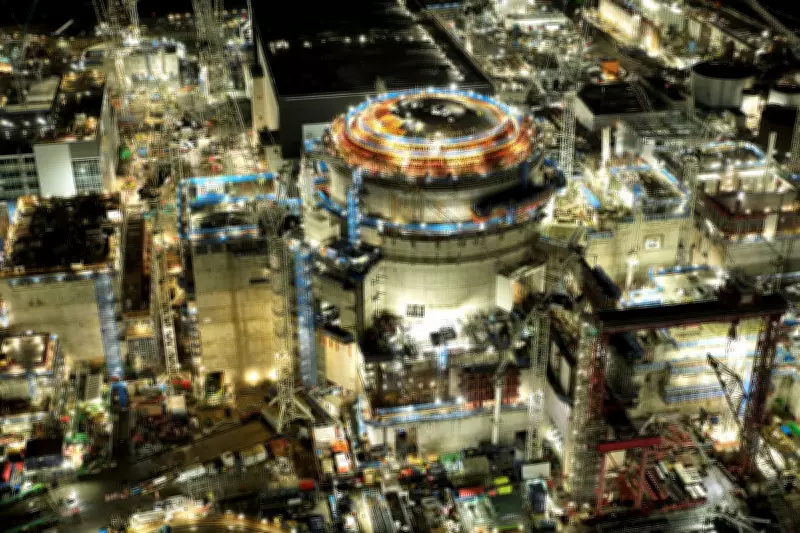
Despite these challenges, EDF remains committed to the UK market, having invested over £5 billion in Britain during 2025, a 30% increase from the previous year. The planned £15 billion investment over the next three years will span across its various businesses, including wind and solar power generation. A significant portion of this funding is earmarked for the development of the Hinkley Point C nuclear power plant in Somerset.
EDF is also an investor in the Sizewell C project in Suffolk, which has government backing. Together, these two nuclear developments are expected to provide low-carbon electricity meeting 14% of UK demand and powering around 12 million homes. EDF's nuclear fleet currently supplies about 12% of the UK's total power demand, positioning it as Britain's largest generator of zero-carbon electricity.
Leadership Perspective
Simone Rossi, chief executive of EDF in the UK, emphasised the company's long-term strategy. "EDF is continuing to invest heavily in powering, supplying and building an electric Britain," he stated. "Our UK strategy is to deliver a long-term nuclear and renewables generation business, and to meet the evolving needs of our customers as more and more transition away from fossil fuels to using cleaner, more secure and affordable electricity."
This dual approach of addressing immediate operational setbacks while committing to future investments underscores EDF's role in the UK's energy transition, balancing current challenges with ambitious plans for sustainable power generation.