Easter Travel Disrupted by Widespread Fuel Shortages Across Australia
Hundreds of service stations throughout Australia are experiencing petrol shortages as the Easter long weekend approaches, creating significant challenges for travellers. However, a recent reduction in fuel prices announced by the federal government is offering a glimmer of hope to motorists concerned about both cost and availability.
Significant Percentage of Stations Affected
Of the more than 8,000 service stations operating across the country, approximately 653 locations—representing eight percent of the national total—are currently missing one or more grades of fuel. This shortage comes at a particularly inconvenient time, with millions of Australians traditionally hitting the roads for Easter holidays.
Government Intervention with Fuel Excise Cuts
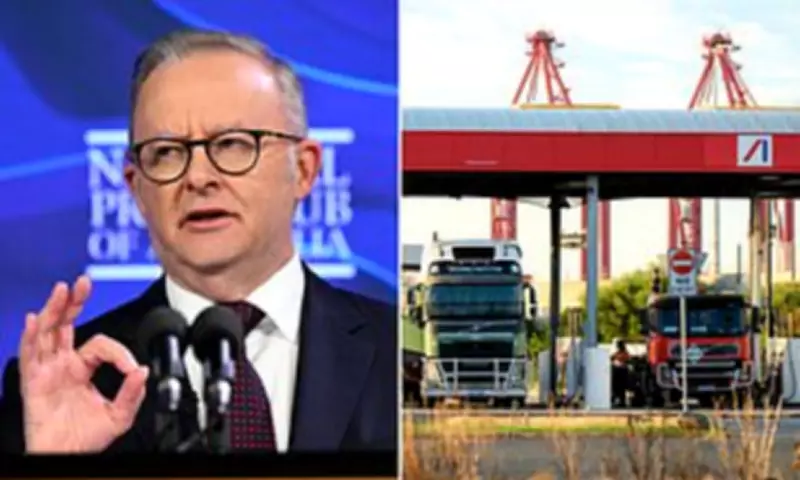
Prime Minister Anthony Albanese announced on Thursday that motorists would receive additional relief through further cuts to the fuel excise. This decision followed agreements with state and territory leaders to pass on GST windfalls directly to consumers at the bowser.

As part of this coordinated federal and state government initiative, drivers will benefit from an extra 5.7 cents per litre reduction on fuel purchases until June 30. This measure involves governments forgoing certain GST revenues to provide immediate financial relief to consumers.
Immediate Price Reductions in Capital Cities
The average price of fuel across all eight Australian capital cities has already decreased in time for the long weekend. This price drop occurred just one day after the initial excise cuts took effect, despite earlier warnings that petrol stations might require several days to adjust their pricing structures.
Motorists are already paying less at many locations, though the full impact of the reductions may take additional time to filter through to all service stations, particularly those in regional and remote areas.
Tourism Industry Feeling the Pressure
While the price reductions provide some economic relief, the broader tourism sector continues to face substantial pressure. Many travellers remain anxious about both the cost and availability of fuel, particularly when venturing to destinations far from major population centers.
Peter Clay, General Manager of Research and Insights at the Caravan Industry Association, revealed that caravan parks located more than a few hours from cities are experiencing the most significant decline in bookings. "Travellers are asking: 'Is there fuel available? Is there diesel available where I'm going?'" Clay told AAP.
Cancellation Rates Increasing
Clay further explained that while Easter cancellation rates typically hover around 30 percent, this year has seen an increase directly attributable to the ongoing fuel crisis. The uncertainty surrounding fuel availability is causing many Australians to reconsider or cancel their travel plans entirely.
Accommodation Sector Also Impacted
The accommodation industry is similarly feeling the effects of reduced travel. James Goodwin, head of Accommodation Australia, reported that hotels across east coast capital cities are experiencing booking declines of up to 10 percent compared to the same period in 2025.
"If you can afford it, if you are in a position to be able to travel, then don't put off that travel," Goodwin advised. "Just make sure that you're looking around, that you're going to a place where you know that you can get the fuel, or make sure you fill up before you leave."
Broader Context of Fuel Price Trends
The current situation follows earlier cuts to the fuel excise that reduced wholesale petrol and diesel costs by approximately 26 cents per litre. These combined measures represent significant government intervention in response to what has become a pressing concern for both consumers and businesses throughout Australia.
As the Easter weekend approaches, authorities continue to monitor the situation closely, balancing immediate relief measures with longer-term strategies to ensure fuel availability and price stability for Australian motorists.