

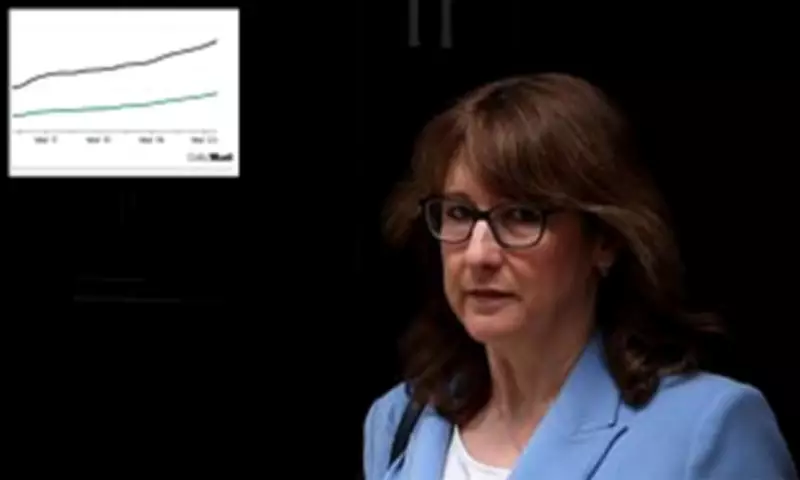
Motorists across the United Kingdom have been issued a stark warning that diesel prices could soar to 180p per litre by next week, as the escalating conflict in the Middle East begins to impact domestic fuel costs. The RAC has reported that the average pump price for diesel has now reached 173.83p a litre, marking a sharp increase of 3p since yesterday and a staggering 31.5p rise since former US President Donald Trump initiated military action against Iran.
Petrol Prices Also on the Rise
Meanwhile, petrol prices have not been spared from the upward trend, climbing by 15.7p to 148.55p a litre over the same period. This surge means that filling up a typical family car with diesel could soon cost close to £100, while petrol at 150p a litre would leave drivers paying approximately £82.50 per tank.
Political Pressure Mounts on Fuel Duty
These grim figures emerged as Chancellor Rachel Reeves faced mounting calls to scrap a planned increase in fuel duty scheduled for September. During a Commons statement, Ms Reeves stated that the policy was under 'review' in light of the Middle East fallout but stopped short of making any firm commitments.

She pledged to tackle what she described as 'rip-off' prices, highlighting the Government's Fuel Finder app as a tool to help motorists locate the best-priced garages in their vicinity. However, her remarks did little to assuage concerns among opposition MPs and the public.
Global Oil Supply Disruption
The price hikes are directly linked to Iran's response to US-Israeli attacks, which included the closure of the crucial Strait of Hormuz. This strategic waterway normally facilitates the passage of around one-fifth of the world's oil supplies, and its shutdown has triggered significant volatility in global markets.
The benchmark Brent Crude cost has been fluctuating wildly in recent days, reflecting the unpredictable nature of the conflict and Mr Trump's oscillating stance between aggressive military action and suggestions of a desire to end the war.
Expert Analysis from the RAC
Simon Williams, head of policy at the RAC, provided a detailed breakdown of the situation. He noted, 'The average price of diesel has jumped by nearly 3p a litre since yesterday to 173.83p. This means it's now gone up 31.5p since 28 February, a 22 per cent increase.'
He added, 'Petrol also shot up by 1.4p to 148.55p a litre, its biggest daily increase since 3 March. Petrol has now risen 15.7p a litre, or 11.8 per cent.'
Looking ahead, Mr Williams warned, 'Diesel looks likely to break the 180p-a-litre mark in the next week or so, and if it goes on to reach 182p the price of a tank for a family car would breach £100. If petrol climbs to 150p, as seems inevitable, it will take the cost of a fill-up to £82.50.'
Political Divisions Over Energy Policy
In Parliament, Ms Reeves deflected calls for increased North Sea oil and gas exploration as an alternative to importing fossil fuels from abroad. She emphasised that the Government is encouraging investment in North Sea oil and gas tiebacks—satellite wells designed to exploit existing fields—rather than pursuing new exploration projects.
Outside the Commons, Tory leader Kemi Badenoch voiced strong criticism, stating, 'It's completely crazy to be increasing fuel duty at this time, and let's drill our own oil and gas in the North Sea.' She also lambasted the Government for its perceived lack of preparedness for the Middle East crisis, accusing Prime Minister Keir Starmer of being 'caught with his pants down, not being prepared, not knowing what's coming, not having any answers except sticking his head in the sand.'
The combination of geopolitical instability, supply chain disruptions, and domestic political debates is creating a perfect storm for UK drivers, with no immediate relief in sight as the crisis continues to unfold.






