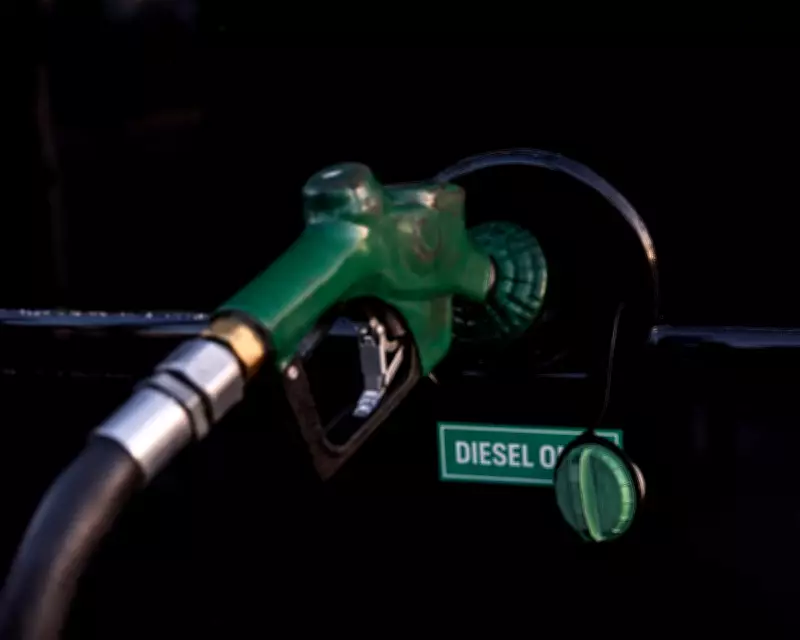
Australian Diesel Prices Skyrocket to Unprecedented Levels
Diesel prices across Australia have experienced a dramatic surge, increasing by as much as 20 cents per litre over just two days. This spike has propelled prices to record highs, with averages nearing 330 cents per litre nationwide. The rapid escalation has intensified concerns over fuel security and economic stability, prompting urgent government intervention.
Government Secures New Fuel Shipments Amid Supply Pressures
Prime Minister Anthony Albanese is en route to Singapore to solidify ongoing petrol supplies from Australia's primary source of refined fuels. During his departure, Albanese confirmed that the government has activated new powers to extend financial assistance to Ampol and Viva refineries. This support involves underwriting their efforts to procure additional oil shipments on the open market, aiming to bolster domestic fuel reserves.
Energy Minister Chris Bowen has assured the public that contracted fuel shipments into Australia are secure until at least mid-May. He expressed optimism that a ceasefire in the Middle East could help normalise oil prices. However, uncertainties persist, including fears over the potential closure of the Strait of Hormuz and escalating conflicts, such as Israel's intensified bombing in Lebanon, which could trigger further oil price jumps.

Regional and Global Fuel Sourcing Strategies
Bowen highlighted that the government is exploring diverse sourcing options to meet Australia's fuel needs. While proximity to Australia is advantageous for quicker delivery—with potential supplies from Singapore, Korea, or Malaysia—opportunities in North America and Mexico are also under consideration. These efforts are part of a broader strategy to enhance fuel security through diversified supply chains.
The wholesale price increases have overshadowed the government's fuel tax relief measures, with diesel prices rising an additional 5 cents per litre nationally on Thursday. According to the Australian Institute of Petroleum, average diesel prices in major cities have reached alarming levels: over 322 cents per litre in Sydney, 326 in Brisbane, 328 in Melbourne, and 329.3 in Canberra. All capital cities are grappling with record-high average diesel prices.
Petrol Prices and Broader Economic Implications
Petrol prices exhibited mixed trends, with some cities seeing increases on Wednesday before resuming declines on Thursday, except in Adelaide where unleaded prices edged up to 223.9 cents per litre. However, the wholesale price of unleaded petrol has risen by approximately 5 cents per litre nationally over the past two days, signalling impending retail price hikes.
Treasurer Jim Chalmers emphasised the urgency of transitioning to renewable energy sources in response to the fuel crisis. He argued against relying on a single energy basket, advocating for cleaner, cheaper, and more diverse energy supplies to build resilient supply chains. Chalmers stressed that recent global conflicts underscore the need for enhanced sovereign capacity and robust energy infrastructure.
Geopolitical Factors and Market Volatility
The US-Iran ceasefire initially led to a sharp decline in crude oil prices, but market optimism has waned due to renewed bombing and supply uncertainties. Prime Minister Albanese reiterated calls for a comprehensive ceasefire in the Middle East, including Lebanon, to stabilise global oil markets. He warned that even if the Strait of Hormuz reopens, disruptions to shipping and storage facilities in the Gulf will have lingering effects on supply chains.
Albanese noted that restoring global oil capacity will be a protracted process, with long-term implications for Australia. The government has proactively sought to increase supply through various channels, rather than waiting for market conditions to improve. Financial details of the assistance to refineries remain confidential to avoid compromising negotiations, but Albanese assured that any new shipments would prioritise regional Australia and areas facing acute supply pressures.

Political Responses and Future Outlook
Opposition Leader Angus Taylor has demanded concrete assurances from Albanese regarding uninterrupted fuel supplies from Singapore. Taylor emphasised the need for transparency and reliability in fuel deliveries to prevent further economic strain. As Australia navigates this fuel crisis, the focus remains on securing immediate supplies while advancing long-term energy strategies to mitigate future vulnerabilities.