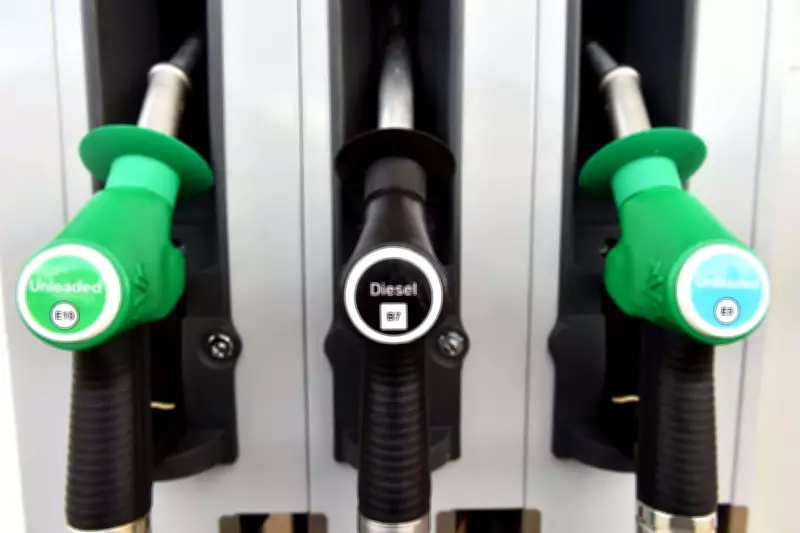
Diesel Fill-Up Exceeds £100 Mark as Middle East Conflict Intensifies
The cost of filling a typical family car with diesel has surged past the £100 threshold for the first time in over three years, according to new data released by the RAC. This significant milestone reflects the deepening impact of the ongoing crisis in the Middle East on global oil markets and UK fuel prices.
Sharp Rise in Fuel Prices
Average diesel prices at UK forecourts reached 182.8p per litre on Tuesday, representing a dramatic increase of 40p per litre since the conflict began on February 28. For a standard 55-litre family vehicle, this translates to a total cost of £100.52, breaching the £100 mark for the first time since December 2022.
Petrol prices have also experienced a notable rise, with the average cost climbing to 152.8p per litre, up by 20p since the onset of the war. The disparity between diesel and petrol prices continues to widen, exacerbating financial pressures on motorists across the country.

Impact of Iran's Actions on Oil Markets
Oil prices, which play a crucial role in determining wholesale fuel costs, have soared in response to Iran's aggressive stranglehold on tankers navigating the Strait of Hormuz. This critical chokepoint for global oil shipments has become a focal point of the crisis, driving up costs and creating uncertainty in energy markets.
Simon Williams, head of policy at the RAC, commented on the situation, stating, "RAC analysis of wholesale fuel data points towards the price of petrol potentially stabilising if the cost of oil doesn't increase further, although diesel still looks likely to rise." His remarks highlight the volatile nature of current fuel pricing trends.
Financial Burden on Motorists
The RAC Foundation, a motoring research charity, has estimated that the recent pump price increases have already cost UK motorists an additional £544 million for petrol and diesel combined. This breakdown includes £409 million for diesel and £135 million for petrol, based on average daily price rises and last year's fuel consumption rates.
Steve Gooding, director of the RAC Foundation, warned that at the current rate of increase, the conflict "will have cost motorists at least a billion pounds at the forecourt within the next couple of weeks." This projection underscores the severe economic impact on everyday drivers.
Supermarket vs. Non-Supermarket Price Gap
The AA has reported a widening price gap between supermarket and non-supermarket retailers. For petrol, the difference has increased from 5.4p per litre before the war to 7.6p per litre. Diesel shows an even more pronounced disparity at 8.8p per litre.
This growing price difference has led many drivers to flock to supermarkets in search of cheaper fuel, resulting in significant pressure on their fuel supplies over the past weekend. The trend highlights consumer efforts to mitigate rising costs amidst the ongoing crisis.
Government Initiatives and Fuel Price Transparency
In response to the escalating situation, the Government has published a list of third-party fuel-price apps and websites that utilise pump price data from its Fuel Finder scheme. These platforms include:
- Confused.com
- DriveScore
- Fuel Finder UK
- Fuel Spy
- MotorMouth
- PetrolPrices.com
- RAC Fuel Watch
- The AA
Since February 2, all UK forecourts have been required to report price changes to the Fuel Finder database within half an hour of any adjustment. This measure aims to enhance transparency and help consumers make informed decisions during this period of volatile fuel pricing.