Energy Chief Credits Coal Plant Orders for Preventing Blackouts in Winter Storm
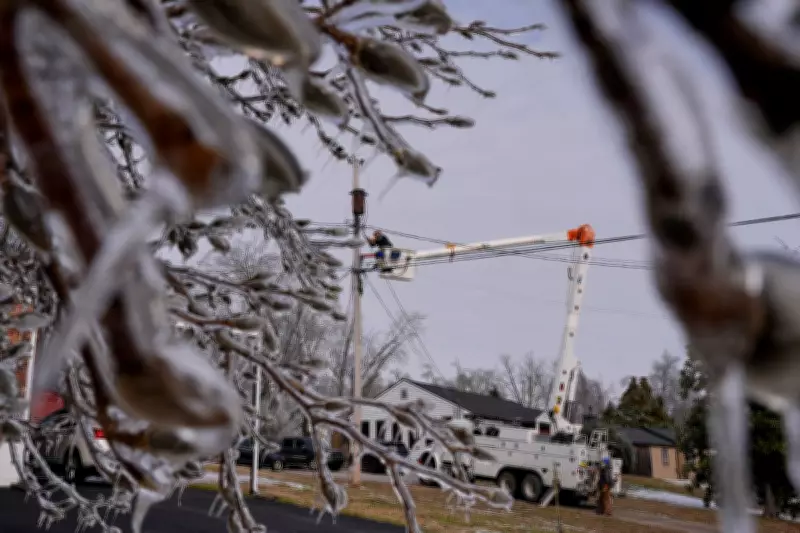
Energy Secretary Chris Wright stated on Friday that emergency orders issued by the Trump administration to keep aging coal-fired power plants running were instrumental in preventing widespread blackouts during a severe two-week winter storm that gripped most of the United States. While scattered outages occurred due to ice accumulation on local power lines, regional grids maintained reliable electricity service, with natural gas and coal leading the generation mix, according to officials.
Emergency Measures and Grid Reliability
At a news conference, Wright emphasized that without these orders, capacity shortages could have led to power failures. "The big picture story is where we actually got energy from during this storm," Wright said. "In fact, we had times where our existing capacity couldn’t deliver anything and the lights would have gone out if not for emergency orders." Deputy Energy Secretary James Danly contrasted this with grid performance during a similar storm in 2021, calling the administration's approach a "new way of doing business" during power emergencies.
Danly asserted that sufficient capacity was ensured, with no blackouts or forced outages due to loss of capacity. Outages peaked at nearly 1 million but were not long-lasting. Wright provided statistics showing natural gas supplied 43% of electric power at peak generation, followed by coal at 24%, nuclear at 15%, and renewables like wind, solar, and hydropower combined at 14%.

Criticism and Cost Concerns
Critics argued that Wright's comments understated the role of wind and solar power during the storm. They noted that orders to keep oil and coal plants open past their planned retirement dates could cost U.S. utility customers billions of dollars over the next few years. Michael Goggin, an executive vice president at consulting firm Grid Strategies, said, "A lot of these plants were retiring because they’re no longer economic to operate. It’s expensive to keep them going." A report from Grid Strategies estimated that preventing coal plant retirements could cost consumers at least $3 billion annually.
Opponents have challenged the coal orders in court, arguing that emergency powers should be used only in rare, temporary cases. Nonprofit owners of the Craig Generating Station in Colorado filed a protest, claiming they were unfairly forced to pay for a costly and unreliable plant and that the Energy Department did not comply with legal requirements to justify the order.
Renewable Energy Contributions
Clean energy advocates countered that renewable sources saved consumers billions during the storm and helped ensure reliability, especially in regions with significant investments in wind, solar, and energy storage. John Hensley of the American Clean Power Association highlighted that in Texas, wind, solar, and storage provided about 25% of power for 27 million customers, a major increase from 2021 that helped avoid blackouts. Wind and solar also contributed significantly in the Midwest and Southwest.
Hensley blamed lower renewable contributions in regions like the mid-Atlantic on lack of investment and administration hostility. He criticized blaming renewables for performance issues, saying, "It's like trying to blame someone on the bench for losing the game. They didn’t get a chance to play."
Political and Policy Context
Wright, who has frequently advocated for fossil fuel-friendly policies, blamed the Biden administration and Democratic-leaning states for policies he said threaten grid reliability and drive up electricity bills. He noted that coal and natural gas proportions rose during the storm, while wind power dropped by 40%, and dismissed solar as "meaningless" in certain regions during severe weather, calling it not an all-weather power source.
State and utility officials have pushed back against the orders, arguing they are unnecessary for emergency power and simply raise electric bills. The debate underscores ongoing tensions between fossil fuel reliance and renewable energy transitions in U.S. energy policy.