

A stark warning has been issued that the UK's ambitious transition to clean energy is being jeopardised by an over-reliance on Chinese imports, putting tens of thousands of British jobs in immediate danger.
The Scale of the Risk to UK Industry
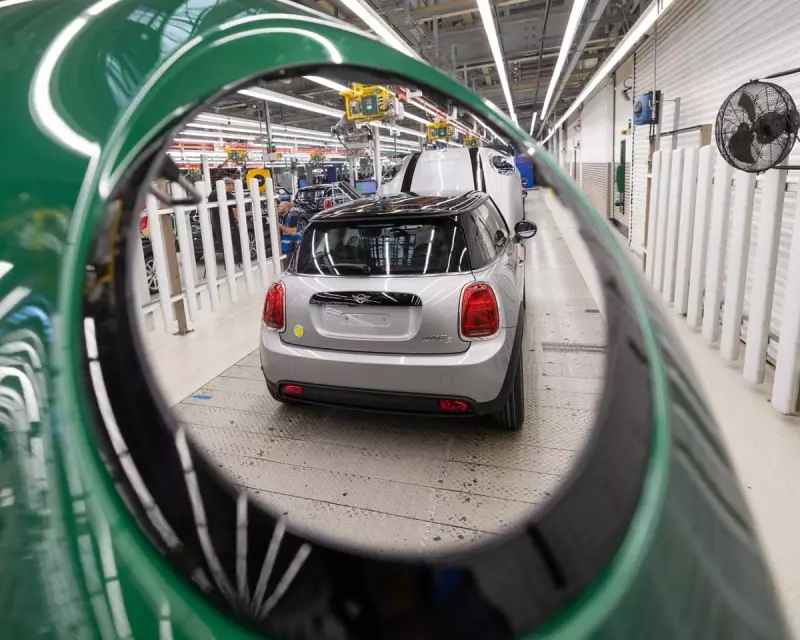
According to a new report from the left-leaning Institute for Public Policy Research (IPPR), a severe one-year disruption to the supply of essential battery components from China could halt the production of more than 580,000 electric vehicles in the UK. Such a shock to the supply chain would directly endanger approximately 90,000 jobs across the automotive and energy sectors.
The thinktank's analysis extends beyond electric cars. It warns that delays in receiving solar components and batteries could also significantly slow the rollout of vital solar farms. This double blow would put the UK's legally binding net-zero targets at serious risk and could cost the economy an extra £1.5 billion annually by forcing continued reliance on expensive gas-fired power generation.

Geopolitical Tensions and 'Securonomics'
The IPPR's findings highlight growing anxiety about the UK's strategic vulnerabilities in a world of increasing geopolitical instability. The report points to the aftermath of the Covid-19 pandemic, the cessation of Russian gas supplies, and escalating global trade tensions as evidence of a "choppier" international economy.
"The world’s over-reliance on China exacerbates these risks," the report states, noting that 80 to 90% of global refining for critical minerals is controlled by China. This concentration of supply leaves the UK and its allies exposed to potential economic and political shocks.
Senior research fellow and report author Pranesh Narayanan said, "[Donald] Trump’s trade war with China, the rise of conflicts around the world – these shocks ultimately hurt the UK economy because we rely so much on trade to source the essentials, including clean energy technologies."
Call for Government Action and International Partnership
In response to these threats, the IPPR is urging Chancellor Rachel Reeves to adopt a policy of "securonomics". This strategy would involve diversifying supply chains through greater international investment and building stronger partnerships with allied nations.
Laura Chappell, IPPR’s associate director for international policy, argued that diplomats must now work to "build partnerships that will underpin Britain’s future energy security." She framed this as a potential "win-win," supporting both the UK and its partners to develop resources, generate jobs, and foster growth.
The report makes several key recommendations for the UK government:
- Clarify its stance on Chinese investment and involvement in the UK's clean energy infrastructure.
- Boost investment in domestic production capabilities for batteries and green steel.
- Collaborate with international allies to create shared stockpiles of solar panels, batteries, and critical minerals to buffer against future supply shocks.
A government spokesperson responded, stating, "Thanks to our industrial and critical minerals strategies we’re backing our automotive and clean energy sectors to grow, cutting our dependency on imports and protecting British jobs."
The warning comes as China continues to dominate global manufacturing for key electronic and renewable energy technologies. Recent customs data revealed China's record annual trade surplus reached $1.189 trillion (£888 billion) – a sum comparable to the entire GDP of a major economy like Saudi Arabia.






