

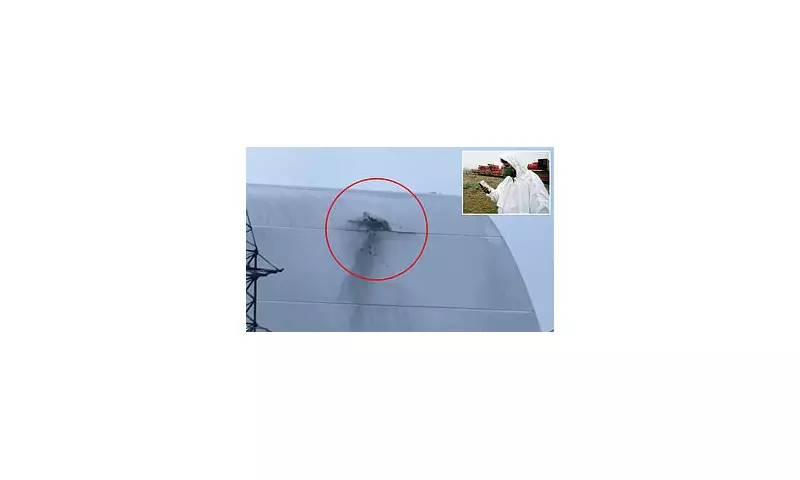
The massive protective dome built to seal the ruins of the Chernobyl nuclear disaster has been critically compromised, raising alarming fears it can no longer safely contain the radioactive material within. The damage, inflicted during the ongoing conflict, has stripped the structure of its primary safety function.
Critical Damage to the New Safe Confinement
Officially named the New Safe Confinement (NSC), the colossal $2 billion steel arch was constructed to entomb the remains of Reactor 4, the epicentre of the world's worst nuclear catastrophe in April 1986. This month, inspectors from the United Nations' International Atomic Energy Agency (IAEA) revealed the shield was severely damaged in a Russian drone strike in February.
A recent IAEA safety assessment confirmed the devastating impact. The dome has lost its confinement capability, among other essential safety functions. While limited temporary repairs have been made to the roof, IAEA Director General Rafael Mariano Grossi stressed that 'timely and comprehensive restoration remains essential to prevent further degradation and ensure long-term nuclear safety'.

A Ticking Time Bomb and Urgent Repairs
Beneath the breached shelter lies a vast quantity of highly radioactive debris from the original meltdown, creating a persistent environmental threat. The inspection did offer a sliver of relief, confirming the dome's main structural frame and monitoring systems are still intact.
However, the IAEA is calling for immediate action. It has urged urgent repairs and critical upgrades to the shelter, including:
- Enhanced humidity control systems.
- Advanced corrosion monitoring technology.
- A high-tech automatic system to manage the reactor remains.
Plans are in motion for additional temporary repairs in 2026, supported by the European Bank for Reconstruction and Development (EBRD), to help restore the NSC's containment function until a full restoration is possible post-conflict.
The Legacy of Disaster and Unlikely Adaptation
The 1986 explosion led to the largest uncontrolled release of radioactive material in history. The immediate aftermath saw 30 to 50 deaths from blast trauma and acute radiation sickness, with long-term cancer fatalities estimated in the thousands. The area was evacuated, creating the Chernobyl Exclusion Zone (CEZ).
In a remarkable twist, the absence of humans has allowed wildlife to flourish in the contaminated zone. A 2024 study highlighted an extraordinary case of adaptation: stray dogs in the CEZ appear to have developed genetic mutations, making them distinct from other canine populations and potentially resilient to the harsh environment. Researchers, led by Norman J Kleiman of Columbia University, identified specific genetic changes in these dogs, published in Canine Medicine and Genetics in March 2023.
Despite this natural resilience, the man-made structure designed to protect the wider world is now vulnerable. The IAEA, which maintains a permanent team at the site, has pledged continued support to fully restore safety and security at Chernobyl.






