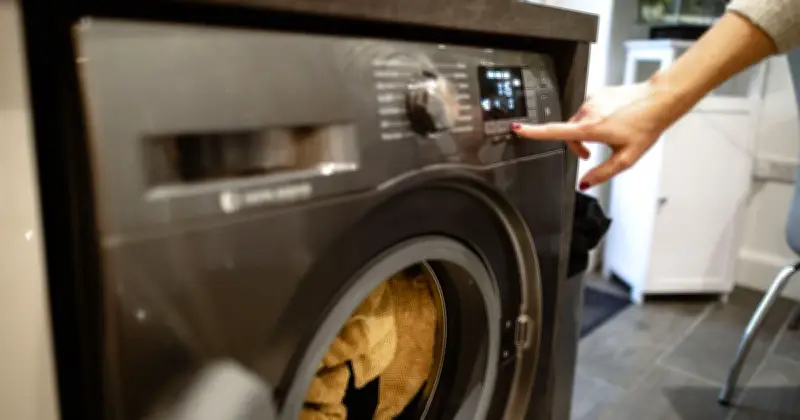
Households across the UK are being urged to check their washing machines as the clocks change this Sunday. The clocks are due to go back by one hour at 2am on Sunday, October 25, officially marking the end of British Summer Time (BST) and the return to Greenwich Mean Time (GMT).
While the change means households will gain an extra hour in bed, the hour time shift can disrupt routines, having a knock-on effect on your body clock and mood - and potentially your energy bills. If household appliances are set to start at a certain time, the clock change can mean your usual schedule now misses cheaper off-peak windows and may potentially fall into the peak period between 4pm to 7pm.
Why the clock change affects your energy bills
As such, households are urged to check any timers used on appliances that are typically in daily use, like washing machines. Washing machines are one of the most used home appliances and can cost between £25 to £35 per year to run, according to the Energy Saving Trust.
While it might not sound like much, these costs soon add up, particularly as Ofgem's energy price cap rose by 4% this month and experts are forecasting a 16% price hike in the new year. So with higher bills on the horizon it's wise to save pennies where you can and an easy way to do this is to time doing your laundry during off-peak hours.
E.ON Next encourages customers to check timers
E.ON Next is encouraging customers on time of use tariffs to check any timers used for washing machines, or other appliances, to ensure they don't fall into peak periods after the clocks change. According to the energy supplier, customers have collectively saved £3.2 million by moving electricity use away from 4pm to 7pm peak periods on its Next Smart Saver tariff which offers lower priced electricity from 5am to 4pm and from 7pm to 2am, with its lowest super off-peak period from 2am to 5am.
The clocks changing means Next Smart Saver customers will benefit from an extra hour of off-peak electricity, giving households 22 hours of off-peak or super-off peak electricity this Sunday.
Julian Lennertz, Chief Commercial Officer at E.ON Next, said: "When the clocks go back, it's worth checking more than the clock on the oven. If you're on a time of use tariff and charge your EV or use appliance or smart-plug timers, make sure they still start when you expect them to.
"Small changes to when you use electricity can make a difference. Our Next Smart Saver customers have collectively saved £3.2 million by moving electricity use away from peak times, and its daytime and evening off-peak periods give households flexibility to make changes that work for them."
How to adjust your appliance timers
E.ON Next is advising households to check what appliances automatically change when the clocks go back and to ensure timers correspond to off-peak periods. If the schedule on any appliance timers, like washing machines, fall out of your intended off-peak window, be sure to update them so you don't miss out on savings.
Off-peak hours can vary across suppliers so it's worth checking on your energy provider's website when these hours are and remember if you're not on an agile tariff then these dynamic time price changes won't affect you. You can check with your supplier to make sure you know what tariff you're on and how it works. And if you don't already, aim to run washing machines during convenient off-peak hours during the day or evening.
In its online advice on saving money, cleaning company Vileda said: "Energy companies often charge more per unit of electricity during 'peak hours'. These are usually in the late afternoon and early evening when energy demand is highest.
"To save money, aim to run your washing machine and dryer outside these hours. Ideally, the best time to do laundry to save energy is either early in the morning or late at night."