

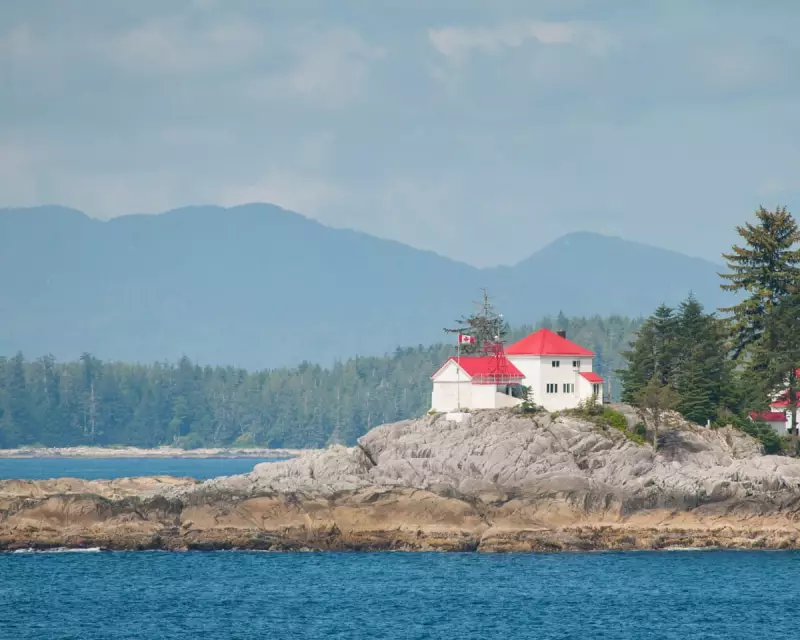
The spectre of a devastating 2016 oil spill looms large over Canada's Pacific coast as Prime Minister Mark Carney's government considers approving a contentious new oil pipeline. The project would require lifting a 53-year-old ban on oil tanker traffic along the ecologically sensitive British Columbia north coast, a move fiercely opposed by Indigenous communities still reeling from past environmental disasters.
A Community's 'Worst-Case Scenario'
In the early hours of an October night in 2016, the American tugboat Nathan E Stewart grounded on a reef in the Seaforth Channel, near the Heiltsuk Nation community of Bella Bella. Despite efforts to free the vessel, it began taking on water and leaking diesel. A coast guard helicopter later confirmed the community's dread: a large sheen of oil was visible outside containment booms. 110,000 litres of diesel spilled into critical harvesting grounds.
"People were devastated. They talked as though we had lost someone in our community," recalled Marilynn Slett, Chief Councillor of the Heiltsuk Nation. The spill contaminated primary food sources, causing immediate and ongoing economic loss. Nearly a decade later, the nation still fights for compensation, including for ancient clam gardens cultivated for centuries.

Pipeline Politics and a Contentious Tanker Ban
Against the dual pressures of trade and the climate crisis, Canada—the world's fourth-largest oil producer—is grappling with its energy future. Prime Minister Carney has pledged to help Alberta export resources, backing a pipeline to move at least one million barrels a day to Asian markets. This ambition involves wielding new legislative powers to cut red tape and potentially revoke the moratorium on north coast tanker traffic, formalised into law in 2019.
For coastal First Nations and environmental experts, the ban is a vital safeguard. The proposed tanker route would traverse the Hecate Strait, a body of water author John Vaillant described as a "malevolent weather factory" known for its diabolical winter storms. "It’s spectacularly dangerous," said Rick Steiner, a veteran of the 1989 Exxon Valdez disaster.
Unanimous Opposition and Irreplaceable Loss
The Coastal First Nations alliance, representing nine nations, has declared the project "would never happen". Chiefs from over 600 First Nations voted unanimously for Ottawa to uphold the tanker ban and withdraw from the federal-Alberta pipeline deal. Green Party leader Elizabeth May stated there was "no chance" tankers would ever move through those inner waters, emphasising that governments "cannot wish away science".
For communities like the Heiltsuk, the risk transcends economics. The Nathan E Stewart spill, though relatively small at under 700 barrels, polluted over 1,500 acres, closed harvesting sites, and allowed invasive species to thrive. Under current maritime law, they cannot claim compensation for cultural losses, such as the inability to pass on traditional knowledge. "How do you show a receipt for the loss of our ability to transmit our cultural practices between generations?" asked Slett.
BC Premier David Eby warned that lifting the ban would be a "grave mistake", jeopardising billions in other projects with First Nations support. He stressed that any proposal requiring the ban's end was a non-starter. As Slett starkly summarised, considering large tankers can carry over 2 million barrels: "We just cannot accept this risk to our community after seeing what can happen. We can’t. And we won’t."






