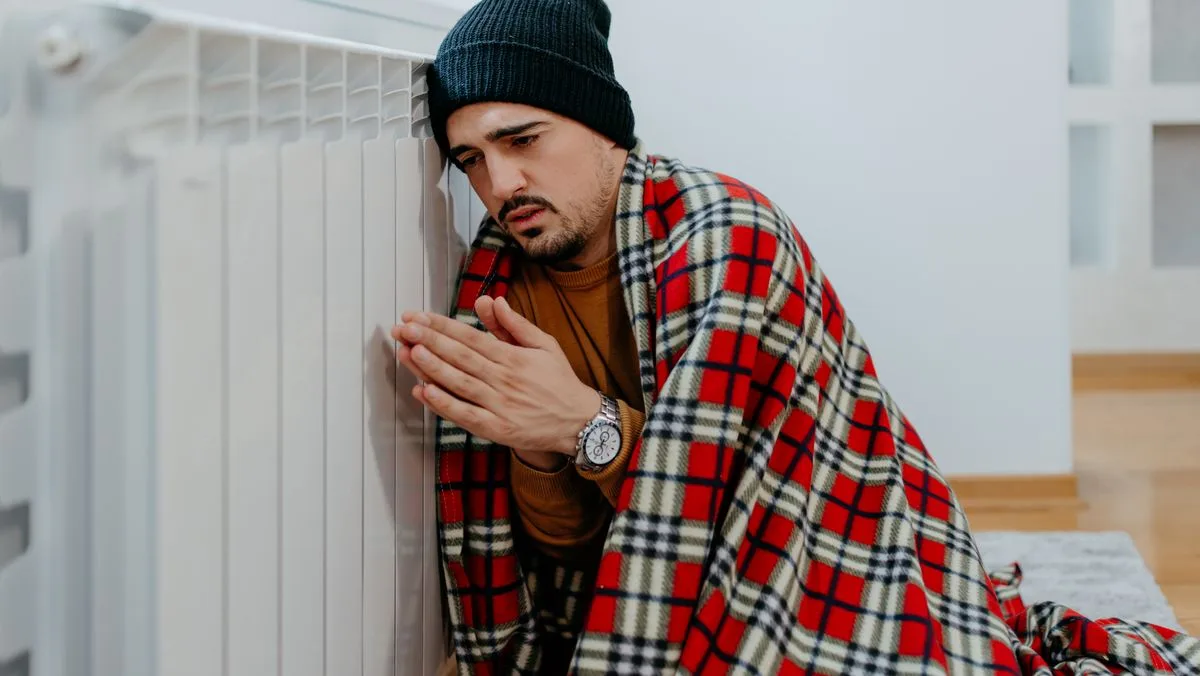
With the UK in the grip of bitterly cold weather, households are being urged to ensure their radiators are working efficiently. According to British Gas, a common issue could be leaving homes feeling cooler than they should, even when the heating is on full blast.
The energy supplier advises checking whether radiators are heating fully to the top. If they are not, trapped air may be preventing hot water from rising. The remedy is simple: use a radiator bleed key, widely available from DIY stores for as little as 98p, to open the small valve at the top. A hiss of air will be heard, and the valve should be closed as soon as a drip of water appears.
British Gas recommends placing a container beneath the valve to catch escaping water and protecting floors with an old towel or cloth, as dirty water can stain carpets and wood. Radiators should only be bled when the heating is switched off and the units are cool to the touch to avoid scalding. For those who do not feel confident doing it themselves, a professional may charge around £100 for the task.
In addition to bleeding radiators, British Gas suggests other cost-effective measures to improve winter warmth. Draught-proofing around cracks, letterboxes, keyholes, and loft hatches can help keep cold air out and warm air in. Pipe lagging, wrapping hot water pipes in foam tubes, is another simple and inexpensive way to prevent freezing and heat loss.