

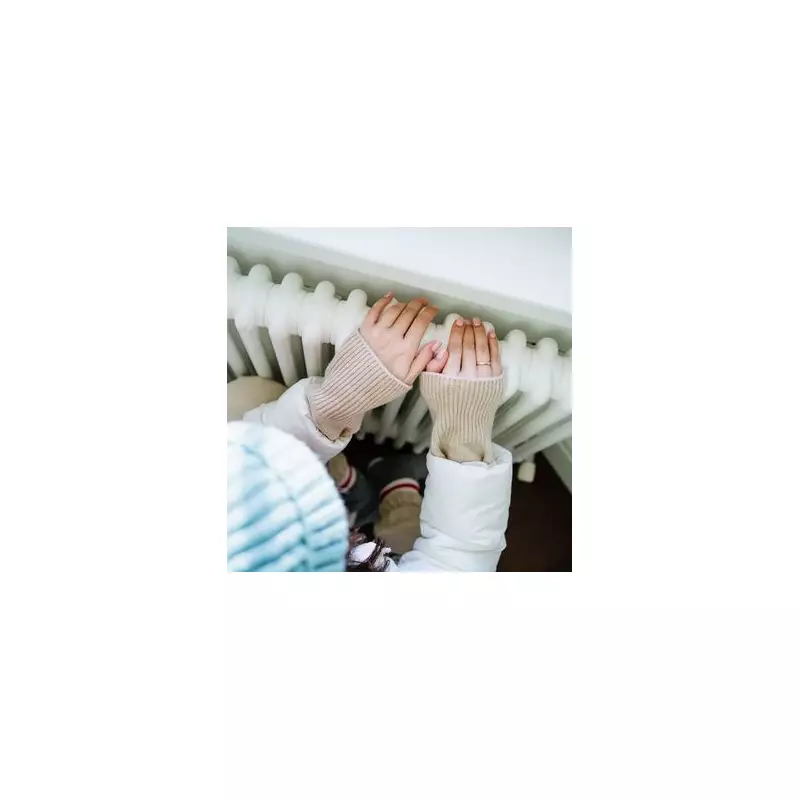
As winter tightens its grip and energy costs remain a pressing concern, maintaining a warm and cosy home is more crucial than ever. Yet many households are unknowingly wasting money and shivering through the season due to a simple, fixable problem with their radiators.
Why Your Radiators Have Cold Spots
If your radiators are not performing as they once did, developing patches that stay stubbornly cold, the culprit is likely trapped air. Over time, air can accumulate inside your central heating system, forming pockets within the radiators themselves.
This trapped air acts as a barrier, hindering the circulation of hot water and preventing the radiator from heating up fully and evenly. The result is a chilly room and a heating system working harder than it needs to, leading to unnecessarily high energy bills.

The Essential Fix: How to Bleed a Radiator
Heating specialists from BestHeating state that bleeding your radiators is "essential" for them to "heat up fast and properly." This straightforward process releases the trapped air, allowing hot water to flow freely and restore peak performance.
You can easily check if a radiator needs bleeding by feeling its top section. If it's noticeably cooler than the bottom or has distinct cold patches, it's time to take action.
Step-by-Step Bleeding Guide
To complete the job, you will need a radiator key (a flathead screwdriver often works), a cloth or towel, and a small container to catch drips. First, ensure your entire heating system is switched off and has cooled down.
Locate the bleed valve, typically found at the top of the radiator on one side. It resembles a small square or hexagonal nut. Place your cloth underneath it to protect your floor.
Insert your key or screwdriver into the valve and slowly turn it anti-clockwise. You will hear a distinct hissing sound as the pressurised air escapes. Once the hissing stops and a steady trickle of water begins, immediately tighten the valve again by turning it clockwise.
Check the valve is secure and not leaking. Then, move on to every other radiator in your home, working from the ground floor upwards. This methodical approach ensures the entire system is cleared of air.
The Result: Maximum Heat, Minimum Cost
Once completed, this simple 10-minute task can transform the efficiency of your heating. Radiators will heat up rapidly from top to bottom, rooms will become consistently warmer, and your boiler won't have to strain, potentially saving you money on energy costs.
It's a small piece of maintenance with a significant impact, helping to keep your home mould-free and comfortably warm throughout the coldest months.






