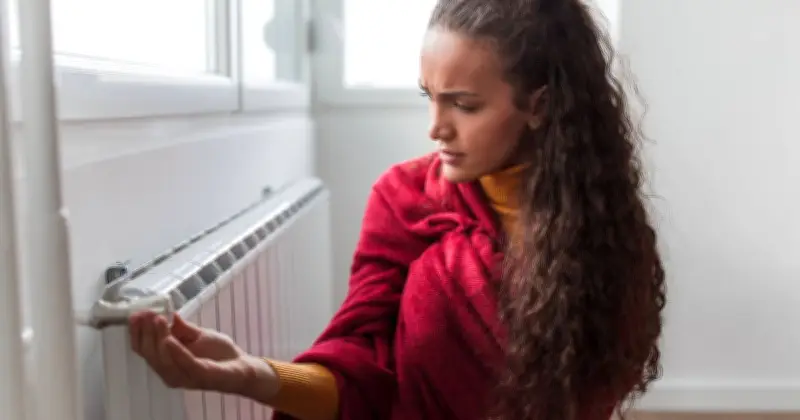
Bleeding radiators twice a year releases trapped air that can improve heating efficiency and lower energy bills, according to Boxt engineer Will Schofield.
As colder weather arrives, keeping a home warm becomes a priority, and ensuring the heating system runs at peak performance starts with the radiators. Schofield said radiators require bleeding if they are suspected of not functioning properly. The task involves releasing pockets of trapped air that, if left inside, prevent radiators from heating up completely and make them less efficient.
Why Bleeding Radiators Matters
Schofield cautioned that if trapped air is left unaddressed over an extended period, it could also encourage corrosion within the central heating system. He said: "Bleeding your radiators semi-regularly (around twice a year) means your central heating can run efficiently, and you can rest easy knowing you're keeping a lid on your energy bills."
Most households already have the tools needed for the job: a radiator bleed key or screwdriver, depending on the bleed valve type, and a cloth or container to catch any escaping water.
Step-by-Step Guide to Bleeding
Before starting, allow the central heating system to cool down completely and place an old towel along the bottom of the radiator to protect flooring. The bleed valve is typically located at the top of the radiator, on either side, though its position may vary by model. It is circular with a square section for a radiator key or a slot for a screwdriver.
Insert the key into the valve and turn it gradually anticlockwise until air escapes. Once water starts to seep out, turn the key clockwise to close the valve securely. Repeat the process on every radiator in the home, then check that the boiler water pressure sits between one and two bars, adjusting it if required.