

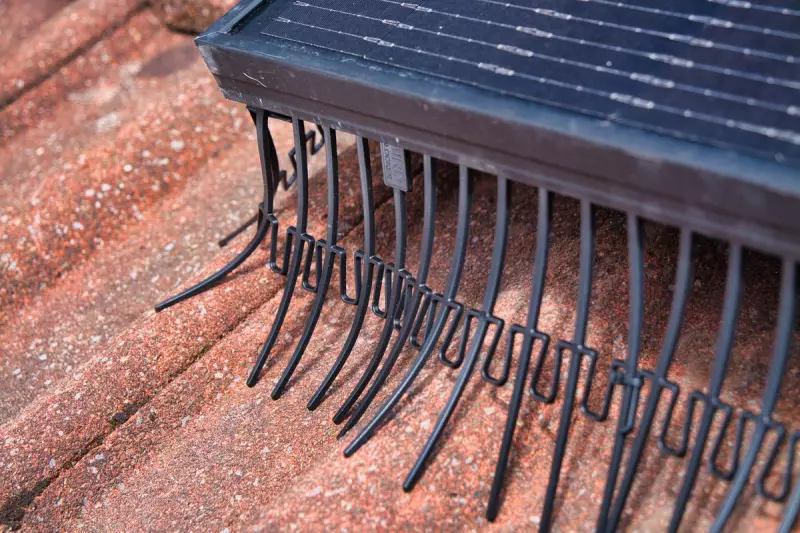
While solar panels are famously low-maintenance, a growing number of UK homeowners are discovering an unexpected drawback: feathered tenants. The inviting gap between roof-mounted panels and the tiles can become a prime nesting spot for birds, leading to persistent problems. Understanding when to invest in bird-proofing, and what it entails, is crucial for protecting your green energy investment.
Why Solar Panels Attract Nesting Birds
The standard mounting of panels creates a small, elevated space above the roof surface. For species like pigeons, starlings, and gulls, this gap offers a perfect sanctuary. It provides shelter from the elements and predators, coupled with residual warmth from the panels. Once birds establish a nest, they are likely to return season after season, creating a recurring issue, especially in urban areas with abundant food sources.
The consequences of an infestation are more than just a minor nuisance. Homeowners often first notice persistent noise, particularly early morning scratching and fluttering sounds that can amplify through the roof structure. The mess from droppings and nesting debris is a frequent complaint, leading to stained roof tiles, patios, and blocked gutters.

Over time, the acidic nature of bird waste can contribute to corrosion on metal fittings. There is also a tangible impact on your system's performance. Nesting materials can obstruct vital airflow beneath the panels, causing them to overheat and operate less efficiently. In rare cases, birds may peck at or dislodge cabling, potentially leading to electrical faults.
Bird-Proofing Solutions: What Works and What Doesn't
Not all deterrents are created equal. The market is filled with products, but their effectiveness varies dramatically for solar panel protection.
Mesh bird-proofing systems are widely considered the most effective and durable solution. Typically made from galvanised or stainless steel, a mesh barrier is fitted around the entire perimeter of the solar array. Quality systems are clamped to the panel frames without drilling into the roof, making them ideal for retrofitting. When installed correctly, these systems can last up to 10 years, blocking access while maintaining essential airflow.
Other methods, like bird spikes on adjacent ledges, visual deterrents, or sonic devices, offer limited success. Birds often habituate to these quickly, and they rarely provide a complete, long-term barrier for the specific space beneath panels. Simply removing nests offers only temporary relief and is legally restricted during the breeding season when active nests are protected.
Costs, Installation, and Is It Worth It?
In the UK, the cost of professionally installing a mesh bird-proofing system on a typical residential solar array typically ranges from £300 to £800. This is a one-off expense, but several factors can influence the final price. The number of panels, roof height, ease of access, and whether scaffolding is required all play a part. If existing nests need clearing and sanitising before proofing is fitted, this will add to the bill.
Crucially, bird-proofing can be retrofitted to existing installations by specialist technicians. It's vital to choose an installer experienced with solar systems who uses non-invasive methods to avoid invalidating manufacturer warranties. A correctly fitted system should not impact panel performance or their guarantees.
So, is it a necessary investment? For homes with no history of nesting, it may be an optional precaution. However, if birds have already moved in, or you live in an area with high pigeon or gull populations, proofing becomes a cost-effective measure. It prevents ongoing noise, cleaning costs, and potential efficiency losses, safeguarding your system's output and your peace of mind for years to come.






