

Kemi Badenoch's North Sea Drilling Plan: Will It Cut Energy Bills?
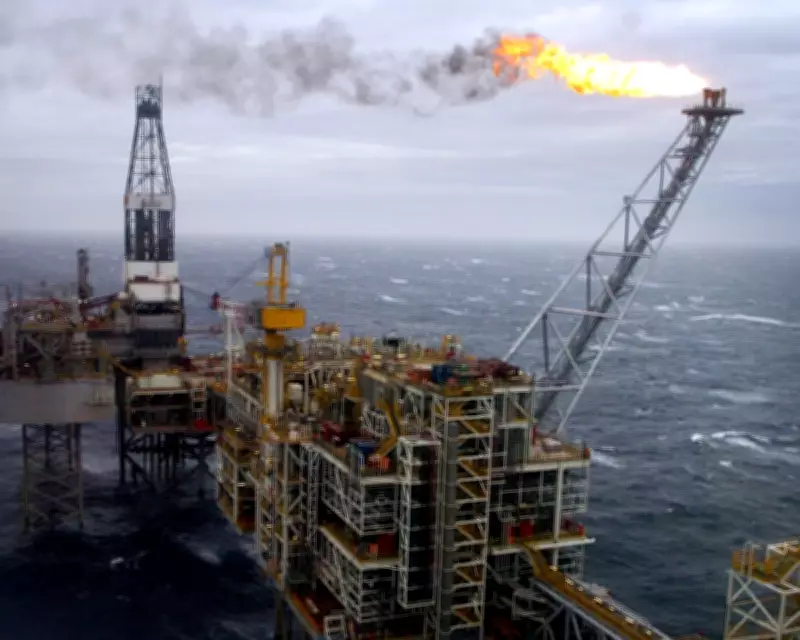
Conservative Party leader Kemi Badenoch has proposed a plan to "get Britain drilling" by opening new oil and gasfields in the North Sea, aiming to maximise production and reduce energy bills. She argues that removing the windfall tax imposed on oil companies after Russia's 2022 invasion of Ukraine would stimulate production, potentially cutting household energy bills by £200. However, critics and experts question the feasibility and impact of this strategy.
Would More Drilling Lower Energy Prices?
No, increased North Sea drilling would not reduce oil and gas prices for UK consumers. Oil and gas are sold by private companies on international markets, which set prices globally, meaning there is no discount for domestic consumers. Badenoch's plan relies on tax reforms, including removing VAT on bills and adjusting other levies, to deliver savings. The Conservatives have previously acknowledged this market reality and seem to be shifting focus away from direct price reduction claims.
The Windfall Tax Debate
The windfall tax, or energy profits levy, was introduced by Rishi Sunak in response to soaring fossil fuel prices after the Ukraine invasion, raising about £12 billion so far. Badenoch suggests scrapping this tax to boost production, but evidence shows it hasn't significantly inhibited investment. With the levy, the marginal tax rate on UK North Sea production is 78%, matching Norway's rate. Bob Ward of the Grantham Research Institute calls removing the tax "premature," noting energy companies may again make windfall profits, potentially requiring government intervention to protect consumers.

Tax Revenue and Bill Reductions
While tax revenues have increased with higher fuel prices—estimated at £20 million extra daily—these sums are offset by higher public sector costs and debt servicing. Redirecting this revenue to consumers would have minimal impact on bills. A University of Oxford study found households would gain only about £16 annually if tax revenues from maximally exploited North Sea fields were redistributed and the windfall tax removed, based on January energy prices. Removing VAT from bills is also criticised as regressive, benefiting wealthier households more.
Jobs and Geological Realities
Badenoch claims her plan will safeguard up to 200,000 jobs in the North Sea, but direct employment is estimated at 30,000 to 60,000, with indirect support for another 100,000. The North Sea is a declining basin, with over 90% already drained and supplies set to steeply decline by 2050. New drilling would add only 1.7% to total oil extraction and 1.1% to gas production, delaying the end of North Sea resources by just a year or two. Job losses have been significant under Conservative policies, with at least 70,000 lost in the past decade despite new licensing.
Environmental and Climate Impacts
Extracting more fossil fuels from the North Sea will add to global carbon dioxide emissions, regardless of source. The Climate Change Committee noted in 2022 that new drilling would expand the global oil and gas market, impacting climate goals. About 80% of UK gas is exported, meaning emissions might fall under other countries' inventories, but extraction itself is carbon-intensive. Expanding production sends a damaging signal to other nations, undermining global efforts to transition away from fossil fuels.
Alternative Solutions
Experts argue that investing in renewable energy and efficiency is a more sustainable path. Richard Smith of E3G highlights that renewables offer greater resilience against geopolitical shocks, like those in the Strait of Hormuz. Electrifying heating, transport, and industry can reduce overall energy demand. Nigel Topping of the Climate Change Committee emphasises that ramping up North Sea drilling won't shield the UK from volatile markets; instead, making clean electricity cheaper and reducing oil and gas demand is key.
Practical Steps for Households
While policy debates continue, households can take small steps to save on energy:

- Turn down thermostats by 1°C to save 10% on heating bills.
- Use public transport, walk, or cycle instead of driving.
- Install smart meters to monitor energy use.
- Consider switching to electric vehicles, heat pumps, or solar panels for long-term savings.
- Explore government schemes like the warm homes plan for insulation support.
In summary, Badenoch's drilling plan faces significant challenges in lowering bills, creating jobs, or addressing climate concerns, with renewables and efficiency offering more viable solutions.





