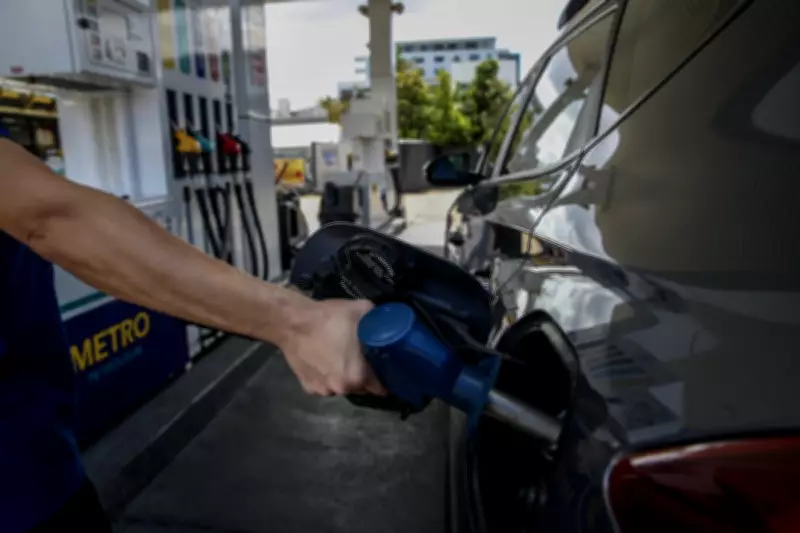
Australia's fuel supply is showing significant resilience, with more than 50 vessels currently en route to replenish national stocks. This development comes as the number of service stations experiencing shortages of petrol and diesel continues to decline, according to recent statements from federal energy officials.
Current Fuel Reserves and Ministerial Assurance
As of Saturday morning, Australia maintained substantial fuel reserves, including 39 days' worth of petrol, 29 days' worth of diesel, and 30 days' worth of jet fuel. These figures reflect ongoing strong demand across the country. Energy Minister Chris Bowen highlighted that the stability in these numbers indicates a healthy balance between fuel distribution to service stations and agricultural needs, alongside continuous imports at terminals and refineries.
"The fact these figures are effectively flat means fuel is going out the door to service stations and farmers, and fuel is going in the door at Australia’s import terminals and refineries," Bowen remarked. He extended gratitude to workers ensuring fuel reaches necessary destinations to meet consumer and industrial requirements.

Reduction in Service Station Outages
The trend of service stations running out of fuel is decreasing nationwide. Specific data reveals improvements in key states: in New South Wales, 150 service stations were without diesel, a reduction of 32 since Friday; Victoria saw 51 stations out of diesel, down by 23; and Queensland reported 49 stations lacking diesel, a decrease of seven since the Easter break began.
Bowen emphasized, "The total number of service stations without diesel in Australia, which is where the main pressure has been, is 312 out of around 8,000." He reiterated the government's advice for Australians to proceed with Easter holiday plans but to purchase fuel judiciously, avoiding stockpiling and opting to refuel in urban areas to support regional supply chains.
International Supply and Price Stabilisation
Despite global tensions, Australia's fuel supply chain remains robust. Bowen noted that only six forward orders have been cancelled, with new orders more than compensating for these losses. Fuel companies have expressed confidence in the scheduled delivery of 3.7 billion litres for April and into May.
NRMA spokesperson Peter Khoury pointed to positive signs in the market, including stabilisation in the international benchmark price for unleaded petrol. Combined with a reduction in the fuel excise, this has led to lower prices at the pump, with averages in most capital cities now around the low $2.20s per litre, representing a decrease of 20 to 30 cents.
"Australians can have confidence that they can go away this weekend, they can have a break with their families, they can go on a road trip and there is going to be petrol and diesel for them," Khoury assured. He added that this stability benefits regional communities dependent on tourism, urging against unnecessary stockpiling which could divert fuel from essential uses like farming.
Diversification and Future Outlook
Bowen highlighted a strategic shift in fuel sourcing, with Australia now importing from the United States, Mexico, and other countries, diversifying away from traditional Asian refineries due to Middle East conflicts. "That’s a good thing for diversifying supply," he stated.
Khoury noted that Australians are adapting by combining trips, such as school runs and shopping, to conserve fuel, which aids national supply efforts. However, both officials warned against stockpiling, citing safety risks and potential disruptions to agricultural seasons, particularly in NSW where sowing demands are high.
Looking ahead, Bowen expressed optimism that the worst of the supply pressures may be over, though uncertainties remain due to global geopolitical events. "We don’t know exactly how this war will end. I’m not sure anyone around the world does but the sooner it ends the better," he concluded, underscoring the interconnected nature of international fuel markets and local supply stability.