

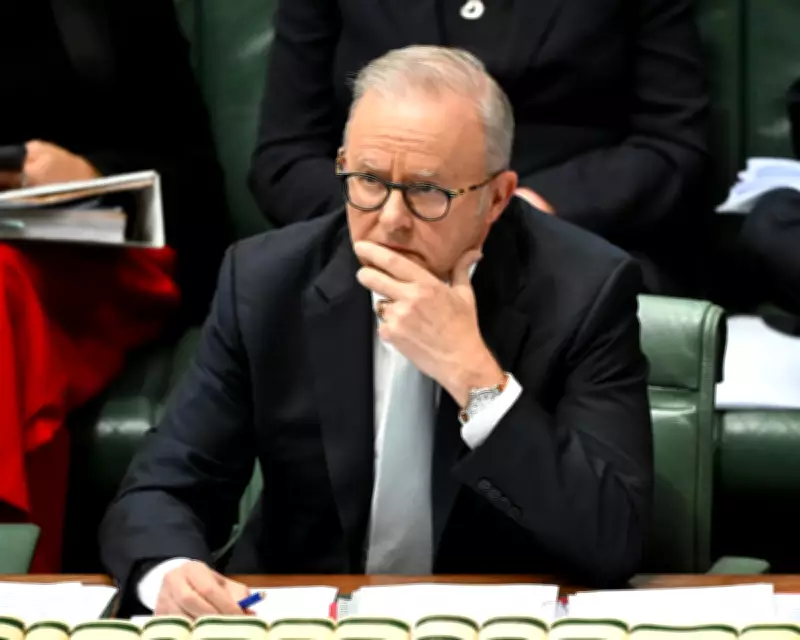
Prime Minister Anthony Albanese has unveiled a comprehensive package of economic reforms aimed at addressing Australia's deepening energy crisis, which threatens to destabilise the nation's economy and household budgets. The announcement comes amid rising concerns over energy security and affordability, with the government emphasising urgent action to mitigate the impacts on consumers and businesses alike.
Escalating Energy Pressures Demand Immediate Response
The energy crisis in Australia has intensified in recent months, driven by a combination of factors including supply chain disruptions, ageing infrastructure, and volatile global markets. This has led to soaring electricity prices and fears of potential blackouts, particularly during peak demand periods. Albanese's reforms are designed to tackle these challenges head-on, with a focus on enhancing energy reliability and reducing costs for Australians.
Key Components of the Reform Package
The reform package includes several critical measures to overhaul Australia's energy sector. Firstly, the government plans to accelerate investments in renewable energy sources, such as solar and wind power, to diversify the energy mix and reduce dependence on fossil fuels. This initiative aims to boost long-term sustainability while creating jobs in the green economy.

Secondly, regulatory changes will be introduced to improve market competition and transparency, ensuring that energy providers operate fairly and pass on savings to consumers. Additionally, the reforms will support upgrades to the national grid infrastructure, enhancing its capacity to handle renewable energy integration and prevent outages.
Economic Implications and Public Reaction
Economists have welcomed the reforms, noting that they could stimulate economic growth by fostering innovation in the energy sector and attracting private investment. However, some critics argue that the measures may not be implemented quickly enough to provide immediate relief, with concerns over bureaucratic delays and potential resistance from industry stakeholders.
Public opinion remains divided, with many Australians expressing frustration over high energy bills but also cautious optimism about the long-term benefits of the reforms. Albanese has urged bipartisan support to ensure the success of these initiatives, highlighting the need for unity in addressing what he describes as a "national emergency."
Looking Ahead: Challenges and Opportunities
As Australia navigates this energy crisis, the government faces significant challenges, including balancing short-term fixes with sustainable solutions. The reforms are expected to undergo parliamentary scrutiny in the coming months, with potential amendments based on feedback from experts and the public.
If successful, these economic reforms could position Australia as a leader in renewable energy and set a precedent for other nations grappling with similar issues. Albanese has pledged ongoing monitoring and adjustments to the policy as needed, emphasising a commitment to securing a stable and affordable energy future for all Australians.






