Australians Urged to Refuel as Petrol Prices Could Hit $3 a Litre
Australian motorists are being strongly advised to fill up their vehicles as soon as possible amid growing fears that petrol prices could surge to a staggering $3 per litre. This alarming forecast comes as the intensifying war in the Middle East drives wholesale oil prices past $160 AUD a barrel, creating a perfect storm for consumers at the pump.
Sharp Increases Already Reported at Fuel Stations
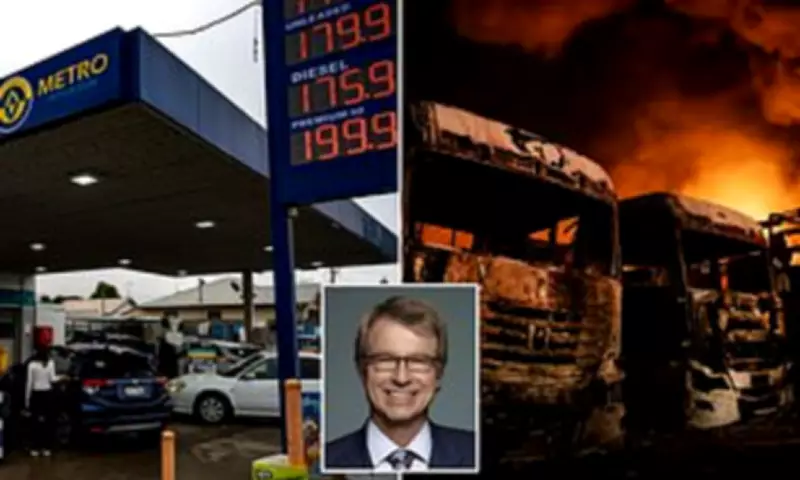
Drivers across the nation have already reported witnessing sharp price hikes at fuel stations, with some areas in regional Queensland and western Sydney recording prices exceeding $2.30 per litre. This rapid escalation has sparked widespread concern among commuters and businesses alike, who are bracing for further financial strain.
Expert Warns of Potential $3 Per Litre Scenario
Shane Oliver, Head of Investment Strategy and Chief Economist at AMP, has issued a stark warning that drivers could soon be paying over $3 per litre if the conflict continues unabated. "Petrol prices have already surged to above $2 a litre. The latest surge in oil prices could at least take them to $2.20," Mr Oliver told the Daily Mail.

He drew parallels with historical oil supply shocks from the 1970s, noting that a similar three-to-fourfold rise in global oil prices today could push world oil prices above $200 a barrel. Such an increase would add at least $1.30 per litre to petrol prices compared to just a week ago, potentially pushing costs beyond the $3 threshold.
Fuel Security Vulnerabilities Exposed
Mr Oliver emphasised that the current crisis starkly highlights Australia's fuel security weaknesses. "We have 30-35 days of fuel in Australia – which is well up from a decade ago – but it should be at least 90 days," he stated. "The surge in price would still impact us as oil and gas prices are now set globally."
He further explained that a larger national stockpile would significantly reduce the risk of supply shortages, particularly if Asian countries decide to restrict exports of refined fuel. Australia currently imports approximately 90 per cent of its refined fuel from Asia, and China has already indicated potential restrictions on such exports.
Market Disruptions and Supply Constraints
The situation is exacerbated by major petrol wholesalers, including BP, Ampol, Mobil, and Viva, restricting sales to contracted buyers as oil prices continue to climb. This marks the highest oil prices since Russia's invasion of Ukraine in 2022.
Further compounding the issue, major producers in Iraq, Kuwait, and the United Arab Emirates have cut their oil production and refinery output after running out of storage space. Additionally, OPEC producers are currently unable to export through the critical Strait of Hormuz due to Iranian threats to target ships, which typically facilitates about 20 per cent of the world's daily oil transit.
Reuters reports that Iraqi oil production from its main fields has plummeted by 70 per cent to just 1.3 million barrels per day, intensifying global supply pressures.
Financial Markets React Sharply
The Australian sharemarket erased almost $130 billion in value on Monday morning following the oil price surge, with every sector except energy suffering substantial losses. The ASX 200 plummeted by four per cent at 12pm AEDT, marking its most significant sell-off since former US President Donald Trump announced his 'Liberation Day' tariffs in April last year.
Mr Oliver attributed the sharemarket decline to increasing fears of a hit to global and Australian economic growth. "This is to be expected given that share valuations were stretched after a period of strong gains. Further falls are likely, particularly the longer the war and oil supply disruption continues," he said.
He noted that a correction of around 15 per cent in shares had been anticipated and remains on track, with a rebound expected once the conflict and supply disruptions subside.
Government and Regulatory Response
The Australian Competition and Consumer Commission (ACCC) is closely monitoring retailers after organisations like the NRMA and RACQ raised concerns about 'unconscionable' behaviour from companies potentially exploiting public anxiety.

Treasurer Jim Chalmers has called for tougher oversight, writing to the ACCC on Tuesday and urging a crackdown on price gouging. "Service stations should not be doing the wrong thing by their customers, using the conflict in Iran and the Middle East more broadly as an excuse to gouge customers," Chalmers told the ABC.
Energy Minister Chris Bowen also issued a warning to companies against exploiting the crisis. "Australia's fuel pricing follows global markets, but the government has been clear - this is an international crisis, not a commercial opportunity," he stated.
Despite these concerns, the Albanese government maintains that Australia's fuel security remains strong, seeking to reassure the public amidst the escalating situation.