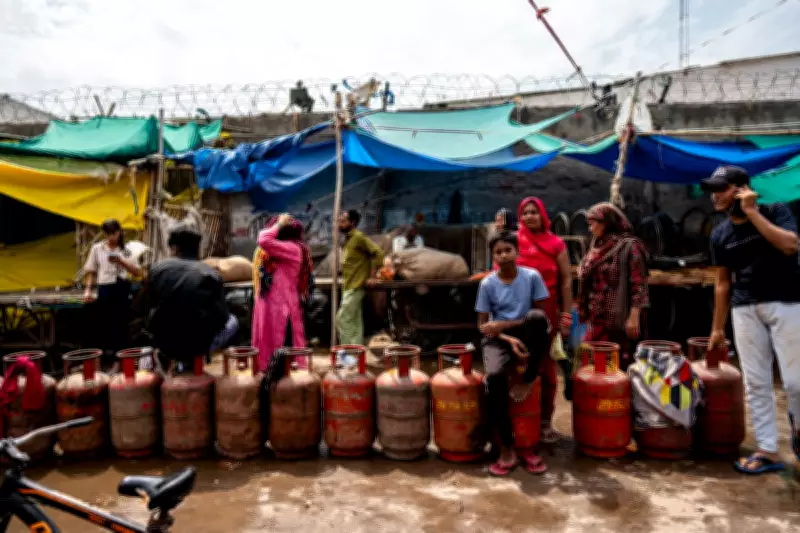
Asia's Fuel Crisis: A Day in the Lives of Those Affected by Oil Price Surge
The ripple effects of the oil crisis, sparked by the Iran war, are being felt across Asia, from remote farms to bustling cities. Individuals from various sectors share their daily struggles as fuel prices soar, impacting livelihoods and economies.
4:30 AM: Kaipara, New Zealand
James Brady, a dairy farmer north of Auckland, starts his day at 4:30 AM, tending to 200 cows. Diesel is his main fuel, with monthly usage of 900 litres, now costing an extra NZ$1.03 per litre. This translates to an annual increase of $15,024. "It's not just our own fuel supply – contractors and fertiliser costs have risen 40%," he explains. Farmers cannot pass these costs on, forcing cuts in farm investments and maintenance.
10:00 AM: Port Vila, Vanuatu
Daniel Thomas, a bus driver, navigates Port Vila's streets from 6 AM to 9 PM. With fuel prices set to rise, his daily earnings of A$120 could drop to A$70, insufficient for loan repayments. "The only option will be to hike fares," he says, acknowledging passenger dissatisfaction. In Vanuatu, many drivers face similar dilemmas, struggling to balance survival with affordability.

10:30 AM: Sejong, South Korea
Kim Hooin, a public service worker, now commutes by bus due to government-imposed vehicle restrictions and high fuel costs. His 40-minute journey replaces a 25-minute drive. South Korea's energy-saving campaign includes shorter showers and weekend laundry. "It's the message of overcoming difficulties together," Kim notes, reflecting on past crises like the 1997 IMF downturn.
12:00 PM: Surin Province, Thailand
Teerayut Ruenrerng, owner of a mobile grocery truck, spends midday searching for diesel, often finding limited supplies. Profits have dropped by 20% due to rising market prices and supply shortages. "It's very hard to find diesel, and everything has become more expensive," he says, highlighting broader systemic impacts from the Iran war and regional conflicts.
3:00 PM: Kita Senju, Tokyo
Koichi Matsumoto, a third-generation sento bathhouse owner, faces rising gas costs despite switching from oil five years ago. Bathing fees are fixed by the Tokyo government, preventing price hikes. "If fuel costs rise and footfall stays the same, I'll have to think seriously about the future," he admits, with many bathhouses considering closure amid ageing facilities and declining patronage.
4:00 PM: Bondi, Sydney
Belinda Morgan, an interior designer, fears the construction industry's slowdown due to the crisis. "We're pretty scared to be honest," she says, applying for remote AI jobs and cutting family costs. Conservation efforts include reducing unnecessary trips, such as driving to swimming lessons, as uncertainty looms over renovation demands.
7:00 PM: Delhi, India
Rajesh Singh, an Amazon warehouse worker, rations his meals, eating only once daily due to soaring gas and rent prices. His monthly wage of 12,000 rupees is insufficient, forcing borrowing from friends. "I will wait two more weeks. If nothing improves, I will go back to my family," he says, with many co-workers already leaving.
10:30 PM: Beijing, China
Cui Xinming, a taxi driver, queues for fuel amid price hikes, though government regulation eases the burden. China's shift to clean energy and oil reserves mitigates crisis fears. "My car still runs on petrol, but in a while these vehicles will disappear," he observes, planning to quit driving for a nomadic lifestyle.
Across Asia, the fuel crisis underscores interconnected economic vulnerabilities, with individuals adapting through frugality, job changes, and community resilience, as global tensions continue to shape daily life.