

Plug-in Solar Panels to Hit UK Shops at Amazon and Lidl
Shoppers could soon find plug-in solar panels in the "middle of Lidl" aisle and on Amazon, as the UK government accelerates its green energy drive in response to the Iran war. This conflict has sent fossil fuel prices soaring, threatening higher home energy bills and pump prices later this year.
New Homes to Feature Solar Panels and Heat Pumps
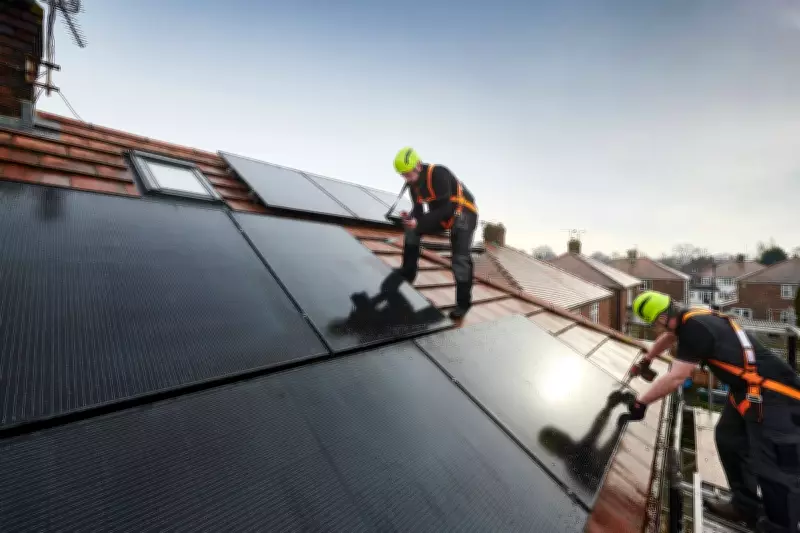
The government has announced that new homes will be built with solar panels and heat pumps as standard, under the newly implemented "future homes standard." This marks a renewed commitment to clean energy, with plug-in solar panels set to be available in shops "within months" for existing homeowners.
Officials are collaborating with retailers such as Amazon and Lidl, alongside manufacturers like EcoFlow, to bring these panels to the UK market. These plug-in units, common in countries like Germany where they are hung on balconies or fences, can be connected to a home network using an ordinary plug.

The Department for Energy Security and Net Zero (DESNZ) stated that these panels reduce electricity drawn from the grid, lowering bills and decreasing the UK's reliance on volatile fossil fuel markets.
Wind Farm Discounts and Energy Sovereignty
Ministers also unveiled plans for energy companies to offer discounted bills to residents living near wind farms on windy days. This initiative targets areas like Scotland and the East of England, where historic underinvestment in the grid often forces wind farms to be paid to switch off due to network constraints.
New legislation is being considered to allow energy companies to provide these discounts, encouraging power usage when it is cheap rather than shutting down turbines. Energy Secretary Ed Miliband emphasized that the Iran war highlights the need for clean power to achieve "energy sovereignty" and escape the grip of uncontrolled fossil fuel markets.
Benefits of the Future Homes Standard
Under the future homes standard, homes will be equipped with heat pumps or connected to heating networks instead of gas boilers. Most homes will include onsite renewable electricity generation, primarily solar panels. Officials estimate these measures could save up to £830 annually on energy bills per property compared to a standard home with an EPC rating of C, while reducing carbon emissions by at least 75% compared to 2013 standards.
Housing Secretary Steve Reed noted that building 1.5 million new homes includes creating high-quality, energy-efficient homes that are cheaper to run and warmer to live in. He stated that these changes will protect families from international shocks and slash hundreds of pounds off their yearly energy bills.
Industry Support and Long-term Investment
The energy sector has welcomed these moves. Dhara Vyas, chief executive of Energy UK, described the future homes standard as a "landmark moment" for clean energy in Britain. She highlighted that new homes will benefit from clean heating and solar power, shielding households from gas price volatility and enhancing energy security.
Vyas added that the standards provide businesses with long-term certainty to invest in manufacturing, scale up supply chains, and develop a skilled workforce. This comprehensive approach aims to transform the UK's energy landscape, making it more resilient and sustainable in the face of global challenges like the Iran war.






