

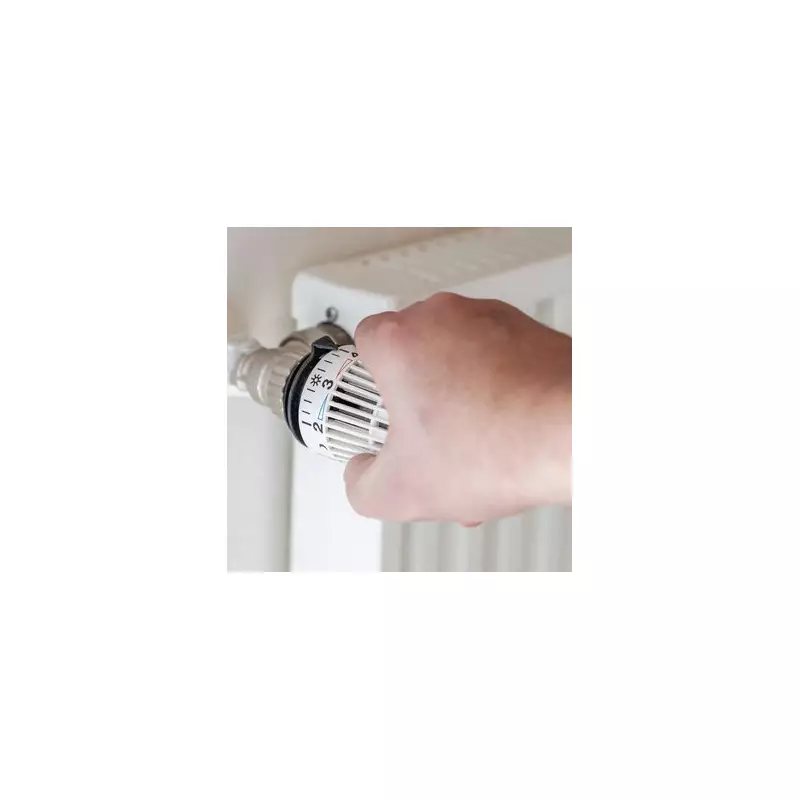
As the cost of living crisis continues to squeeze household budgets, a heating specialist has identified three frequent errors that could be unnecessarily inflating energy bills across the UK.
The Costly Heating Blunders Explained
With winter firmly set in, the need to switch on the heating has become unavoidable for millions, leading to a sharp climb in monthly outgoings. Gordon Wallis, an energy specialist at the independent UK fuel distributor Your NRG, warns that simple missteps with heating systems are compounding financial pressures for many families.
"Small adjustments can have a big impact," Wallis stated. He highlighted that countless households are inadvertently wasting energy by heating unused rooms, setting boiler flow temperatures too high, or positioning thermostats incorrectly.

1. Your Thermostat is in the Wrong Spot
A thermostat works by measuring the ambient temperature around it. If it is placed incorrectly, it cannot regulate your heating efficiently. Common mistakes include positioning it next to a radiator, in direct sunlight, or behind large furniture, all of which cause a false reading.
"That means your heating will switch off too soon or run longer than necessary," Wallis explained. For accurate control, he recommends placing the thermostat in a central hallway or main living area with good airflow.
2. Cranking Up the Thermostat in Cold Weather
It's a natural reaction to turn the dial up when the mercury plummets outside, but this habit is a key error. Turning the thermostat higher does not warm your home any faster; it simply instructs the system to run for longer to reach a higher temperature.
Wallis clarified: "The thermostat maintains the temperature you set. If you want your home to be 20°C, you do not need to adjust it because the weather has dropped. Turning it higher only increases running time and energy use."
3. Boiler Flow Temperature Set Too High
Many modern combi boilers are factory-set with a flow temperature between 70°C and 80°C, which is often higher than needed. Lowering this to around 60°C can significantly reduce energy consumption without sacrificing comfort.
"It can still heat your home effectively while reducing the strain on the boiler," said Wallis. "It can also extend its lifespan and help reduce heating costs. The home will not feel colder, but it may heat up more gradually." He notes this advice is for combi boilers, and those with older tank systems should consult an engineer first.
Easy Steps for Greater Efficiency
Beyond avoiding these three mistakes, Wallis suggests several low-cost measures to improve heating efficiency and retain warmth. These include:
- Bleeding radiators to remove trapped air.
- Moving furniture away from radiators to allow heat to circulate.
- Fitting reflective panels behind radiators on external walls.
- Drawing back curtains during daylight to harness natural warmth.
- Keeping doors shut between heated and unheated spaces.
With specialists now recommending 18°C as the minimum comfortable indoor temperature for most people (with warmer settings advised for the vulnerable), making these practical adjustments could provide crucial relief for budgets this winter.






