More than 8 million people took part in the No Kings protests across the United States on Saturday, in what organisers describe as the largest single day of protest in American history. Demonstrators called for an end to the war in Iran, the removal of immigration agents from communities, and an end to what they see as Donald Trump’s creeping authoritarianism.
But movement scholars caution that social change requires sustained activism beyond a single protest. Leah Greenberg, co-executive director of the Indivisible Project which founded No Kings, said the movement was designed to unite a cross-movement push against authoritarianism. “We see No Kings as part of a tapestry of defiance that is going on,” she said.
In the past year, Americans have used a variety of tactics, including street rallies against federal agents in Los Angeles and Chicago, consumer boycotts of Target, Tesla and Amazon, and student walkouts over the presence of ICE agents in schools. Hahrie Han, a political scientist at Johns Hopkins University, said protests build power by drawing people into action, and that change often combines multiple forms of protest with political negotiation.
Han pointed to activists in Minnesota who passed progressive laws in 2023, including paid family leave and driver’s licenses for undocumented residents, as an example of successful movement building through multiracial coalitions and legislative strategy. Organisers say the success of No Kings will be measured by whether attendees sign up for ongoing community organising, know-your-rights trainings and mutual aid.
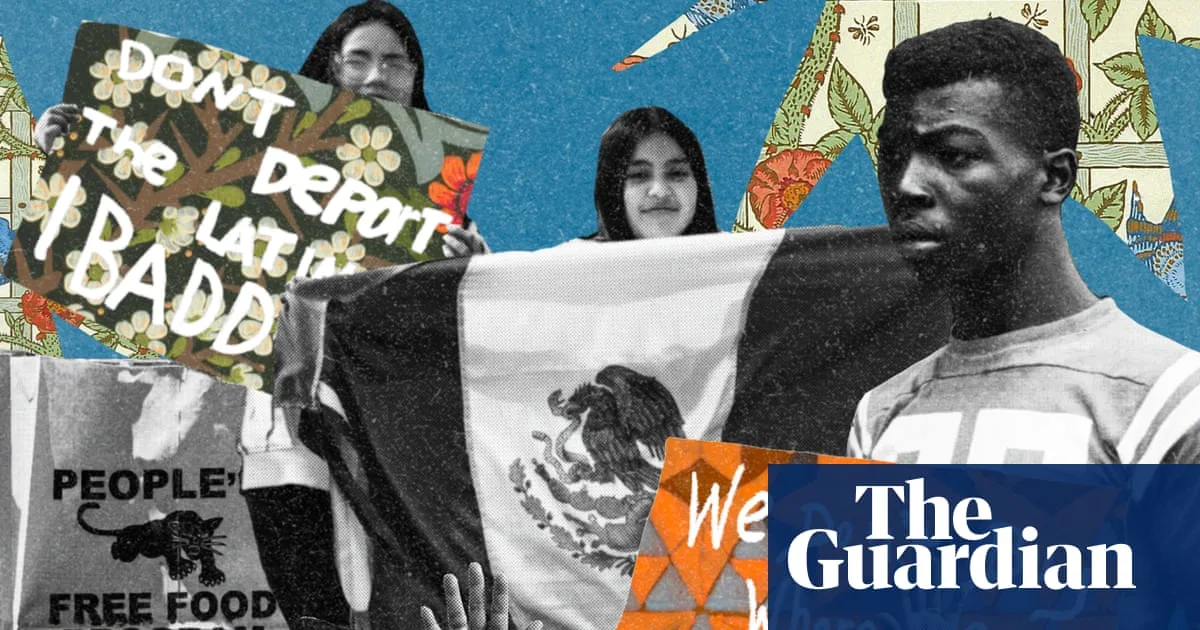
Historically, American protests have taken many forms, from covert acts of resistance by enslaved people to Indigenous occupations of Alcatraz Island and the civil rights marches of the 1950s and 1960s. In recent years, mass protests have included March for Our Lives in 2018 and Black Lives Matter in 2020. According to the Crowd Counting Consortium, more people protested in the first year of Trump’s second term than in the first year of his first term.
Hunter Dunn, an organiser with the grassroots group 50501 which co-founded No Kings, said the record-breaking turnout shows enthusiasm for using protests as a launchpad for further action. “There’s also enthusiasm for using protests as a launchpad to get people involved,” he said.