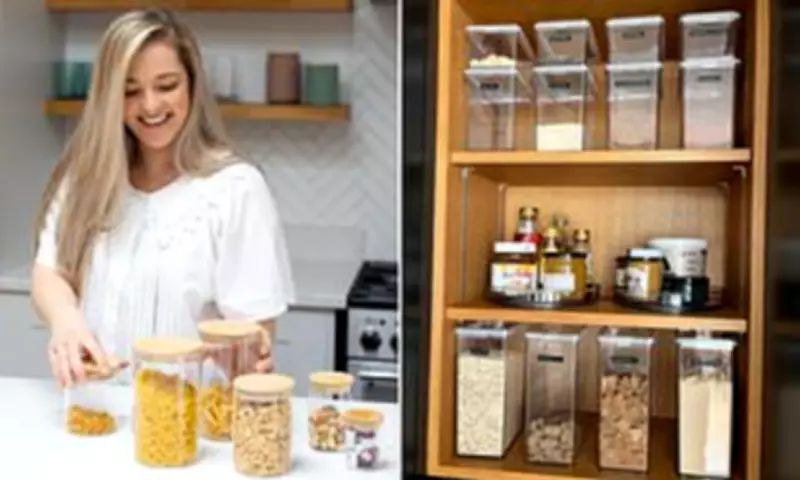
Have you ever stepped into a friend's kitchen and felt a pang of envy at its impeccable, chic organisation? While many of us might be hastily concealing mess behind pantry doors, some have mastered the art of kitchen order, both inside and outside the cupboards—and with a bit of guidance, you can achieve this too.
Why Organisation Matters in the Heart of the Home
Lucy Mansey, founder of Organised By Lucy (OBL), emphasises that transforming your pantry doesn't happen overnight but requires dedication. Once established, it becomes easy to maintain, even with frequent use. She advises viewing organisation as a form of self-care, similar to a gym routine, where consistency makes the process smoother over time.
The pantry is one of the most high-traffic areas in any home, not just the kitchen, making it crucial to keep it orderly and free from clutter. Lucy recommends categorising food and kitchenware, arranging items by date to avoid expired products, and embracing 'space mapping' to utilise every shelf and drawer fully.

Marrying Style with Practicality
Luxury interior designer Jo Hamilton, based in London, highlights that a well-designed kitchen should feel 'calm and intuitive'. She explains that everything should have its place, with textures and tones layered to create an interesting yet functional space. A kitchen must support how you actually live; if it isn't practical, it fails regardless of beauty.
Jo adds that kitchens and pantries should avoid clutter, over-styling, and too many competing elements. Interest should come from considered design, not excess, ensuring the space never feels bland or busy.
Key Strategies for an Enviable Pantry
Zoning Is Essential
Lucy advocates creating dedicated zones for different categories, such as snacks, baking, condiments, dry store, and spices. This makes it easy to find items quickly, with breakfast or health stations being particularly useful. For kitchenware, group items by frequency of use, like baking supplies or cooking utensils together.
Jo starts any kitchen project by thinking in zones, planning storage around how you live. If you love spices, dedicate a proper space to them, potentially making them a beautiful feature. Clear zones help everything else fall into place naturally.
Keep It Visible
For foods like pasta and rice, Lucy suggests using glass canisters or clear containers to see what you have, preventing waste and saving money. Jo recommends displaying beautiful items, such as copper pans or natural materials like wooden boards, to add warmth without overstyling.
Check Use-By Dates
Lucy advises sorting through dried herbs and spices to discard expired items, then ordering them chronologically with older products at the front. This encourages use before they expire and prevents overbuying.
Embrace Space Mapping
Lucy redefines space mapping as planning every inch of your pantry for maximum efficiency. Store frequently used items at eye level and rare ones higher up, using vertical space with stackable storage like airtight containers.
Cupboard the Clutter
Jo notes that pantries and tall cupboards are invaluable for hiding mess, making spaces feel calmer. Lucy adds to use vertical space with stacking storage and adopt a one-in-one-out rule to prevent pile-ups.
Space Savers for Small Pantries
For smaller kitchens, Lucy recommends using magnetic spice jars and self-adhesive hooks on cupboard carcasses. Jo prioritises full-height storage and drawers over cupboards for better efficiency.
Ditch the Deadweight
Lucy encourages ditching cheap, trendy items from online marketplaces, old cookbooks, and mismatched containers. Invest in durable, cohesive sets like glass Tupperware for a space-saving, aesthetic appeal.
Know Your Dimensions
Before buying storage, measure your pantry to ensure everything fits. Avoid cramming items; leave breathing room to make the space feel lighter and more accessible.
Stylish Storage Must-Haves
Lucy swears by lazy susans, quality containers, drawer dividers, and turntables for hard-to-reach areas. Jo recommends butler's pantries, deep drawers, pocket doors, and toe-kick drawers for concealed storage, using materials like timber and reeded glass with atmospheric lighting.