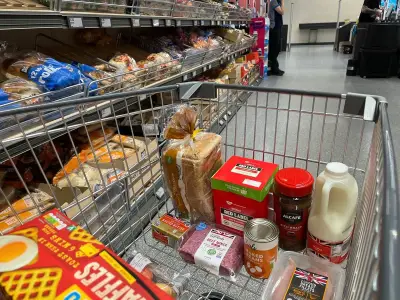
The rise in the state pension age from 66 to 67, which began in April, is pushing struggling Brits into deeper poverty and leaving them in a precarious situation, charity leaders have warned. Age UK's Charity Director, Caroline Abrahams, told the Daily Express that many older workers face significant challenges. "Many older workers are either struggling to work or completely unable to do so due to ill health, caring responsibilities or ageism in the labour market, leaving them in a perilous position," she said.
Poverty Rates Soar Among Pre-Retirees
According to Age UK, one in five people aged 60 to 64 live in poverty, the highest rate of any adult age group over 24. Ms Abrahams noted that many are forced to rely on benefits such as Universal Credit or deplete their retirement savings. "This clearly shows just how difficult many are finding it to make ends meet," she added.
The state pension age increase was originally announced in 2011, driven by projections of rising life expectancy and the need for spending cuts. The Office for Budget Responsibility estimates the move to 67 will save the public purse approximately £10 billion by the end of the decade compared to keeping the age at 66.
Previous Increases Led to More Poverty and Longer Working Lives
Research from the Institute for Fiscal Studies shows that when the state pension age rose to 66, the employment rate for 65-year-olds increased by about 10 percentage points. However, Joanna Elson CBE, Chief Executive of Independent Age, warned that previous increases also led to higher poverty among those approaching state pension age, particularly those in poor health or insecure jobs.
"The current group aged just below state pension age already experience high levels of poverty compared to other age groups. This problem is likely to be worse for future cohorts of people aged 60-66 years old for the next couple of decades due to demographic changes in private pension receipt, housing tenure and trends in healthy life expectancy," Ms Elson said.
Impact of Previous Rise: 100,000 More Unable to Meet Basic Needs
Figures from the Work and Pensions Committee reveal that when the state pension age rose from 65 to 66, an additional 100,000 65-year-olds were left unable to meet their basic needs. Debbie Abrahams MP, who chairs the Committee, stated: "Over the course of our inquiry it’s been made clear that the pre-pensioners will be hit as the state pension age goes up, the question is by how much? The fact is, the last time the state pension age rose – to 66 – instances of poverty among people the year before retirement doubled. This time round, people will be a year older than last time. With an extra year’s worth of accumulated health problems and a year’s extra spending without work for those forced out due to ill-health, older people’s organisations have told us we can expect the impact will be worse."
Calls for Government Action
Ms Elson urged the Government to act on recommendations from the Work and Pensions Committee's inquiry, whose report is due within weeks. She called for measures to lessen the impact, including reversing a rule that prevents older couples on low incomes from accessing pension credit because their partner is below state pension age. Age UK also urged the Government to help those who can work longer to do so and provide extra support through the benefits system for those unable to work.
A Department for Work and Pensions (DWP) spokesperson responded: "Supporting pensioners is a priority and our commitment to the triple lock for the rest of this Parliament means millions of pensioners will see their yearly state pension rise by up to £2,100." They added: "We are determined to turn the tide on poverty after years of rising hardship. Our recent statistics show that effort is beginning to make a difference - household incomes have risen 5% in real terms, food bank usage has fallen, and food insecurity is down." The spokesperson highlighted existing support for working-age people, including Universal Credit and a £1 billion fund for councils to help prevent households falling into crisis.