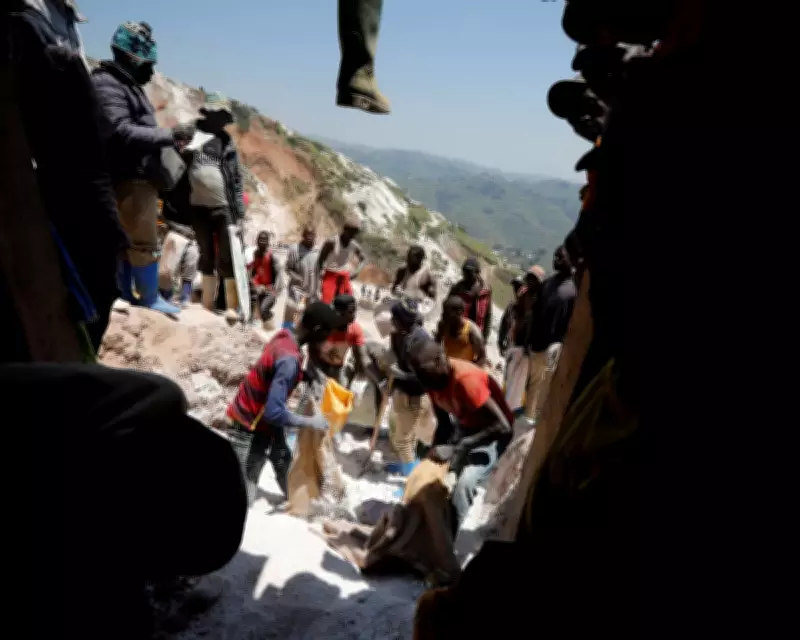
In a devastating incident that has shocked the mining community, more than 200 individuals have been reported killed following a collapse at the Rubaya coltan mine in the eastern Democratic Republic of Congo. The tragedy, which occurred earlier this week, highlights the perilous conditions faced by workers in this vital industry.
Details of the Catastrophe
Lumumba Kambere Muyisa, a spokesperson for the rebel-appointed governor of the province, confirmed the death toll to Reuters on Friday. The collapse took place on Wednesday, and as of Friday evening, the exact number of casualties remained uncertain, with rescue efforts ongoing amidst the chaos.
"More than 200 people were victims of this landslide, including miners, children, and market women," Muyisa stated. He added that some individuals were rescued just in time but sustained serious injuries, underscoring the severity of the event.

Confirmed Fatalities and Local Impact
An anonymous adviser to the governor, speaking on condition of anonymity due to lack of authorisation to brief the media, revealed that the confirmed death count has reached at least 227. This figure paints a grim picture of the disaster's scale, affecting not only miners but also vulnerable groups in the surrounding area.
The Rubaya mine is a significant global producer, accounting for approximately 15% of the world's coltan supply. This mineral is processed into tantalum, a heat-resistant metal crucial for manufacturing mobile phones, computers, aerospace components, and gas turbines. Despite its economic importance, the mine operates under harsh conditions, with locals engaging in manual labour for meagre daily wages.
Rebel Control and Regional Tensions
Since 2024, the M23 rebel group has maintained control over the Rubaya mine, a situation that has drawn international scrutiny. The United Nations has accused M23 of plundering the mine's resources to fund its insurgency, with allegations of backing from the neighbouring Rwandan government—claims that Kigali firmly denies.
The M23 rebels, heavily armed and with stated objectives to overthrow the Congolese government in Kinshasa and protect the Tutsi minority, expanded their hold over mineral-rich territories in eastern Congo during a rapid advance last year. This control exacerbates the risks for miners, who often work in unsafe environments without adequate protections.
Global Implications and Industry Concerns
The collapse at Rubaya raises urgent questions about the ethics and safety standards in the global supply chain for coltan and tantalum. As demand for these materials continues to grow, driven by the tech industry, incidents like this underscore the human cost behind everyday devices.
Authorities and international bodies are now calling for increased oversight and humanitarian aid in the region, as the community grapples with the aftermath of this tragedy. The event serves as a stark reminder of the challenges faced in conflict zones where natural resources fuel both economies and conflicts.