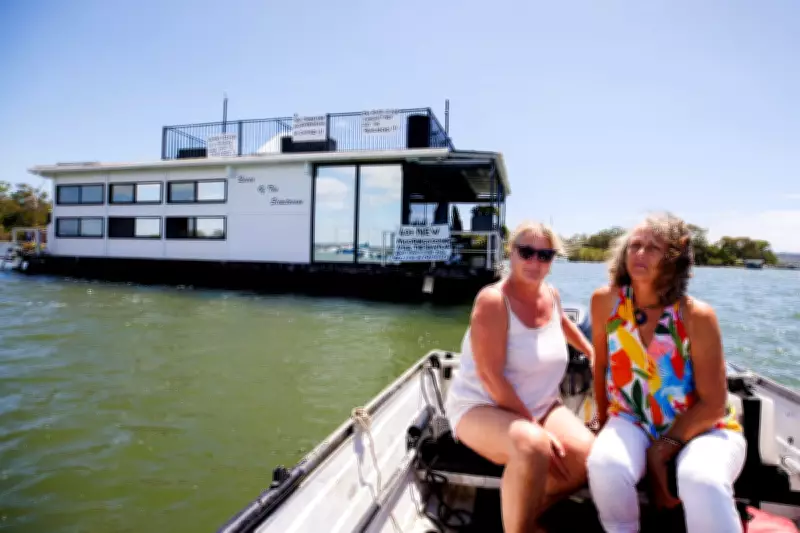
Noosa River Houseboat Residents Face Eviction Amid New 28-Day Anchoring Limit
Houseboat residents along the picturesque Noosa River in Queensland are confronting a stark reality as a new 28-day anchoring restriction threatens to displace them from their unique waterfront homes. The regulation, which came into effect on January 1st and passed its initial deadline recently, represents the first such limit imposed by the state on vessels longer than five metres, sparking intense debate over housing affordability, river safety, and social equity.
The Housing Crisis Forced Them Onto the Water
Dental nurse Sally White exemplifies the broader housing affordability crisis gripping regional Australia. Priced out of Noosa's skyrocketing property market, where median one-bedroom units now command approximately $920,000, White made an unconventional choice in 2021. She purchased a houseboat for $150,000, securing not just a home but coveted waterfront views. "Like many long-term residents, I was completely locked out during the pandemic price surge," White explains, highlighting a growing trend of seeking alternative housing solutions.
White is among an estimated twenty full-time houseboat residents now facing potential eviction. Her vessel, the Queen of the Slipstream, has become a floating protest, adorned with signs declaring: "The river is for everyone!!! Not just the privileged!!!" This sentiment underscores a deep-seated belief among residents that the new rules disproportionately target lower-income individuals to benefit wealthy waterfront property owners.

Safety Concerns Versus Accusations of Class Warfare
Proponents of the 28-day limit, including authorities and some recreational boating advocates, argue the measure is essential for safety. The Noosa River, known for its shallow depths—sometimes as little as 30 centimetres—has seen significant congestion. Andrew McCarthy, founder of the Noosa Boating Fishing Alliance, notes that at one point, up to 250 boats crowded a short stretch, creating hazardous conditions for junior sailors and paddleboarders. "The physical number of boats pushed people dangerously close to motor vessels," McCarthy states, framing the management plan as a necessary compromise.
However, houseboat residents like Sally Hayes, an artist who has lived on the river for years, counter that the rule exacerbates the housing crisis. "When we've got a housing situation like we do, and you've got a solution right here under our feet, it seems so absurd to make it worse," Hayes argues. She points out that many residents have lived on the river for decades, with some exceeding thirty years, forming a established community now under threat.
A Long-Gestating Policy Meets Fierce Resistance
The 28-day rule did not emerge overnight. Local pushes for stricter river regulations date back to at least 2015, culminating in the 2021 Noosa River management plan. A 2023 transport department report, following public consultation, cited vessels restricting sightlines, impeding public access, and causing crowding as key justifications. The report acknowledged this as among Queensland's first such limits, though the Gold Coast had previously implemented a seven-day restriction in certain areas.
Current estimates suggest about 120 vessels are anchored in the Noosa River, with twenty used as full-time residences and nine as part-time accommodation. Dozens more are moored to permanent fixtures, including some abandoned vessels and expensive recreational catamarans. White and Hayes express willingness to pay for official moorings, but local independent MP Sandy Bolton indicates community support for capping moorings at current numbers, complicating potential solutions.

The Broader Context: Noosa's "Manhattanisation"
This conflict unfolds against the backdrop of Noosa's dramatic transformation. Once an affordable regional town, it has become Australia's hottest housing market over the past five years, with prices soaring approximately 110% since the pandemic. Local real estate agent Robbie Neller describes a process of "Manhattanisation," where low-paid service workers are forced out, leaving businesses reliant on working holiday visa holders. The local council's historical scepticism toward development, including a 1995 attempt to cap the population, has intensified pressure on existing housing stock.
For residents like Hayes, the emotional toll is profound. She plans to sell and leave the area if forced to move, citing both affordability and a sense of rejection. "I don't want to be amongst these people if they don't want me here. It's a horrible feeling," she confesses. Meanwhile, authorities maintain that the rules aim to ensure the river remains safely enjoyable for all, not as long-term storage. Bolton denies any class-based motivation, emphasising her office's readiness to assist residents with financial hardship toward compliance.
As the deadline looms, the Noosa River dispute encapsulates wider national debates over housing, community access, and regulatory fairness, with its outcome likely to resonate far beyond Queensland's Sunshine Coast.