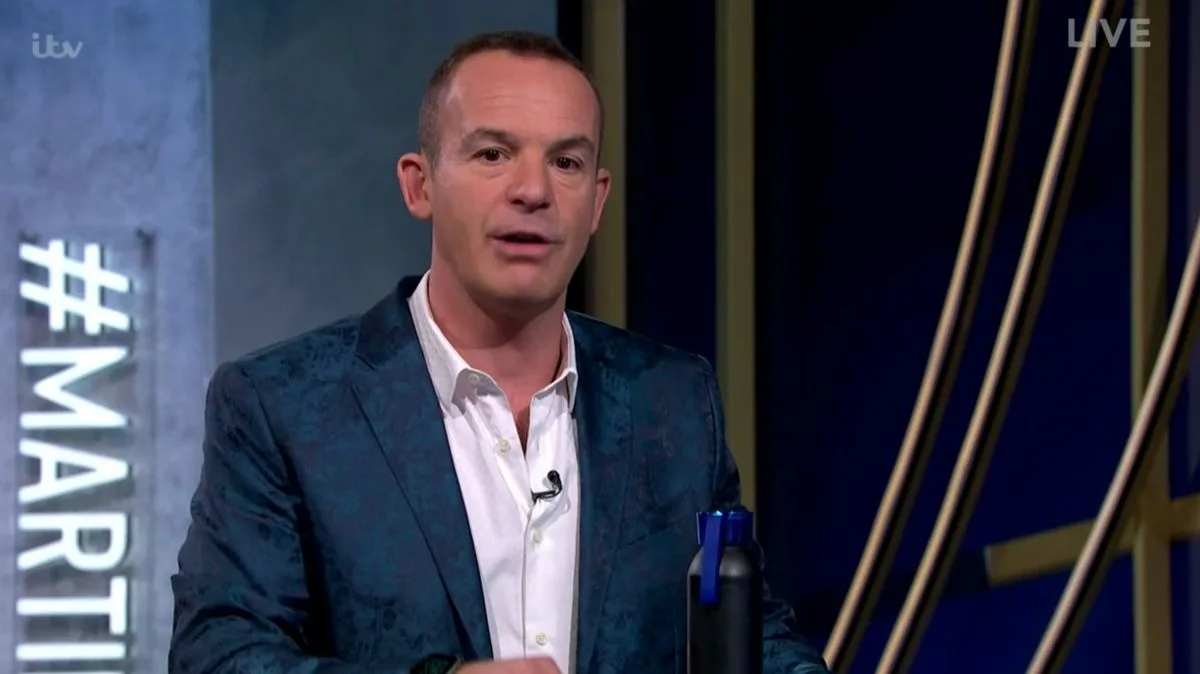
Martin Lewis has issued a stark warning to workers considering opting out of their workplace pension, describing it as effectively giving up a 'pay rise'. During a special edition of the Martin Lewis Money Show Live, the MoneySavingExpert.com founder explained the significant financial benefits of staying enrolled, particularly for basic rate taxpayers.
Under auto-enrolment, employees aged 22 to State Pension age earning over £10,000 are automatically placed into a pension scheme. The minimum total contribution is 8% of salary, with employers paying at least 3% and workers contributing 5%. Lewis highlighted that for every £100 a worker puts in, their employer must add £60, meaning a basic rate taxpayer who takes home £80 actually receives £160 into their pension pot.
'There's nowt out like it,' Lewis said, urging people not to opt out unless absolutely necessary. He noted that the cost of living crisis might tempt some to reduce take-home pay, but the long-term gains far outweigh the short-term sacrifice. However, he added that opting out could be worthwhile for those whose existing pension pots risk exceeding the lifetime allowance of £1,073,100, in which case consulting a financial adviser is recommended.
The show, available on ITV Hub and STV Player, also covered other pension topics, reinforcing the message that workplace pensions remain one of the most efficient savings vehicles available.