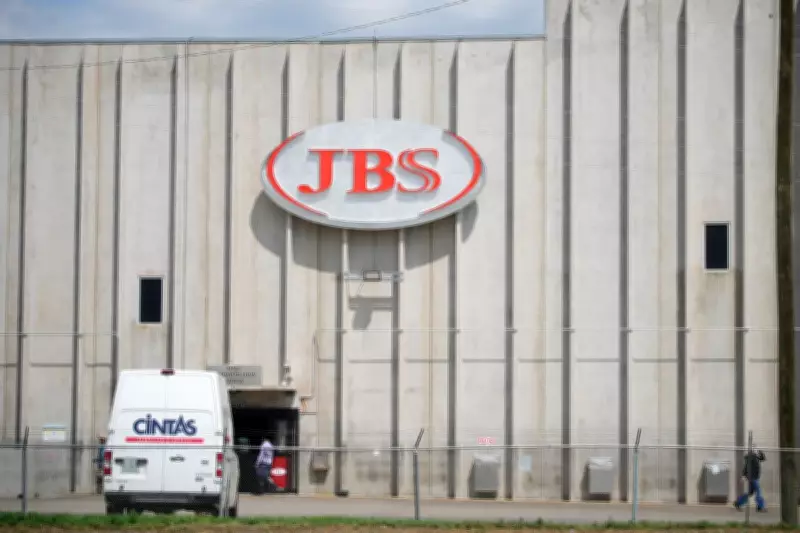
Approximately 3,800 workers at one of the nation's largest meatpacking facilities are poised to commence strike action on Monday morning in Colorado. This industrial action represents the first walkout at a United States beef slaughterhouse since the 1980s, according to union representatives.
Strike Details and Union Allegations
The strike at the Swift Beef Co. plant located in Greeley is scheduled to begin at 5:30 a.m. Mountain Daylight Time. Kim Cordova, president of United Food and Commercial Workers Local 7, which represents the workforce, confirmed the timing. The union has accused the plant owner, JBS USA, of retaliating against employees and engaging in other unfair labor practices during ongoing contract negotiations. A previous collective bargaining agreement was set to expire at midnight on Sunday.
Matt Shechter, the union's general counsel, alleged that the company attempted to intimidate workers into leaving the union through one-on-one meetings. Cordova reported that an overwhelming 99% of workers voted to authorize the strike. Formal negotiations did not occur over the weekend after JBS USA declined a union request to negotiate on Saturday.

Company Response and Operational Plans
JBS USA issued a statement asserting that any employee choosing not to strike would be provided work and paid accordingly. The company announced plans to operate two shifts at the Greeley plant on Monday and to temporarily relocate production to other JBS facilities as necessary. The statement emphasized that the company operates in full compliance with all federal and state labor and employment laws.
"Our goal is to minimize impact to our customers, our partners, and the broader marketplace while we work toward a fair resolution in Greeley," the company stated.
Broader Economic and Industry Context
This anticipated strike unfolds against a backdrop of significant challenges within the U.S. beef industry. The national cattle population has reached a 75-year low, with a January 1 inventory of 86.2 million animals, reflecting a 1% decrease from the previous year. Rising beef prices have contributed to economic concerns across the country.
In response to these pressures, the administration of President Donald Trump has pursued a trade agreement with Argentina in an effort to lower food prices, including those for beef. This industrial action also follows the January closure of a meatpacking plant in Lexington, Nebraska, an event expected to have ripple effects on the local economy and community.
Historical Precedent
Cordova noted that this would be the first strike at a U.S. slaughterhouse since workers walked out at a Hormel plant in Minnesota in 1985. That historical strike lasted for more than a year and involved violent confrontations between police and protesters, according to records from the Minnesota Historical Society.
The situation in Greeley remains fluid as both the union and the company prepare for the potential commencement of widespread industrial action, which could have significant implications for the regional and national meat supply chain.