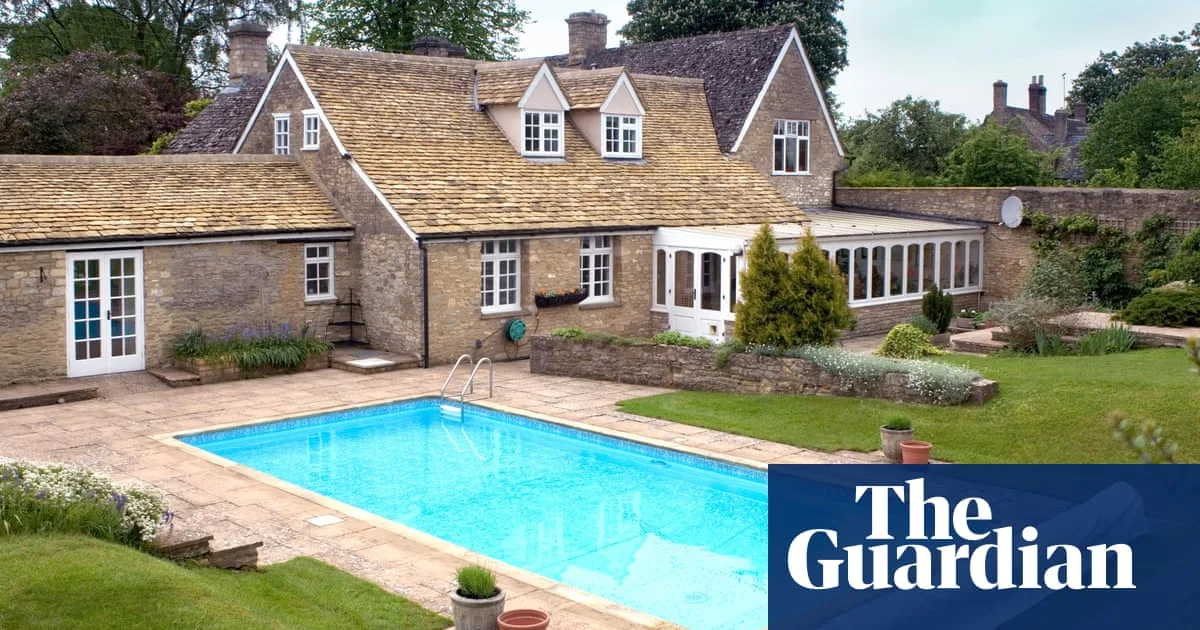
Households with larger gardens could face higher water bills under new green plans being trialled by water companies. The proposals, driven by climate change concerns, would see charges increase based on water usage, potentially penalising those with bigger outdoor spaces.
Block Pricing Trials
Affinity Water is reportedly planning a 'block pricing' trial involving up to 14,000 families in the Home Counties. Under this system, water costs would rise in correlation with the amount used. The company confirmed it is 'still analysing the water efficiency savings' and will publish findings later this year, adding that most households had saved money in similar trials.
A previous trial between 2023 and 2025 on nearly 1,500 households provided an initial 30,000 litres of water for free, with charges increasing in blocks. For example, exceeding 30,000 litres incurred a charge of £1.51 per litre, while usage beyond 215,000 litres cost £4.00 per litre. A potential fourth block targeting 'very high users' could be introduced, which experts say would disproportionately affect families with larger gardens or more members.
Consumer Concerns
Anna Pardoe from Citizens Advice stressed that any changes must protect consumers. 'We've seen the real harm poorly designed reforms can cause in other sectors, like energy,' she said. 'Carefully designed safeguards must be implemented to avoid intensifying pressure on groups who have higher water needs, like families and disabled people.' Average annual water usage per person is 85,000 litres, rising to 110,000 litres for a couple and 160,000 litres for a family of four.
Portsmouth Water Proposals
Portsmouth Water has proposed two schemes for 2026–2027 involving smart meters. The first would see households pre-paying a fixed amount based on expected usage at a cheaper rate, with a surcharge for exceeding the limit. Lower rates would be offered if consumption falls below predictions. These personalised baselines would use smart meter data rather than postcode averages to avoid disadvantaging certain groups. Growing families may be able to opt out. The company said, 'We also believe it is essential to build in protections for customers who experience life changes that may affect their water usage.'
Regulatory and Government Stance
Ofwat has prioritised environmental concerns, suggesting that those with 'swimming pools, hot tubs or large-scale sprinkler systems could be charged a premium for very high use, particularly at times when water is scarce'. The Government aims to cut water usage by 20% per person by 2038. Baroness Brown, the Government's climate change adviser, has indicated that larger gardens could lead to higher charges.
Context of Water Industry Scandals
Trust in water companies has plummeted amid scandals over sewage leaks and failure to fix leaks, despite average bills rising 26% in the last year to nearly £650 annually. Last year, the Daily Mail reported that water company bosses earned £278 million over 11 years. In June, six of England's largest water firms were banned from awarding bonuses to senior executives after failing to tackle sewage and pollution. Thames Water was fined £122.7 million, the largest penalty ever issued by Ofwat, for breaches related to wastewater and dividend payments.