

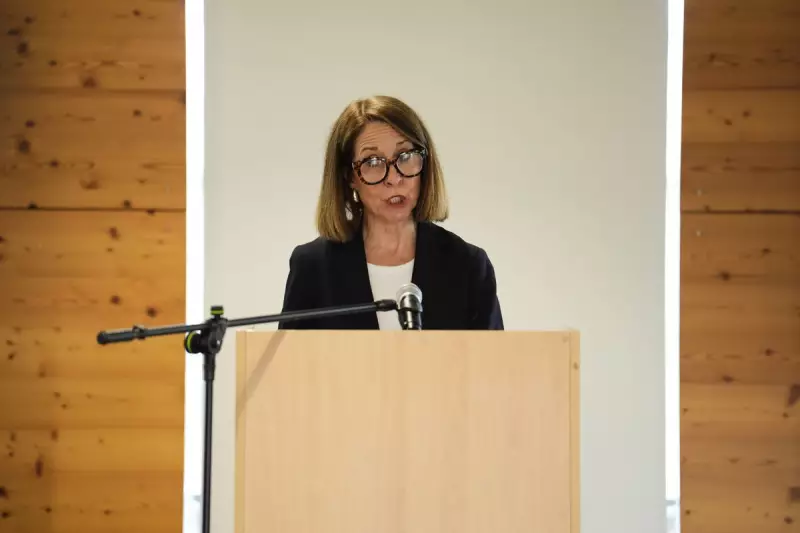
Shadow Work and Pensions Secretary Liz Kendall has demanded immediate action from the Department for Work and Pensions (DWP) to address the significant employment disparities faced by Pakistani and Bangladeshi women in the UK.
Speaking at a recent policy forum, Kendall highlighted that only 35% of Pakistani and Bangladeshi women are employed, compared to 78% of white British women. She described this gap as "unacceptable" and urged the government to implement targeted support programmes.
Root Causes of the Employment Gap
Kendall identified several key factors contributing to this disparity:

- Language barriers limiting job opportunities
- Lack of access to flexible working arrangements
- Cultural expectations around care responsibilities
- Discrimination in hiring practices
Proposed Solutions
The Labour frontbencher outlined potential measures to improve employment rates:
- Expanding English language classes with childcare support
- Creating sector-specific training programmes
- Introducing flexible job opportunities in growth industries
- Strengthening anti-discrimination enforcement
Kendall emphasised that closing this employment gap could boost the UK economy by an estimated £9 billion annually. She criticised the current government for failing to address what she called "systemic barriers" in the labour market.
Government Response
A DWP spokesperson stated that the department remains committed to supporting all communities into work, pointing to existing programmes like the Restart Scheme. However, critics argue these initiatives haven't sufficiently addressed the specific challenges faced by Pakistani and Bangladeshi women.
The debate comes as new research shows the employment gap has widened slightly since 2010, despite overall improvements in female employment rates across other demographic groups.






