

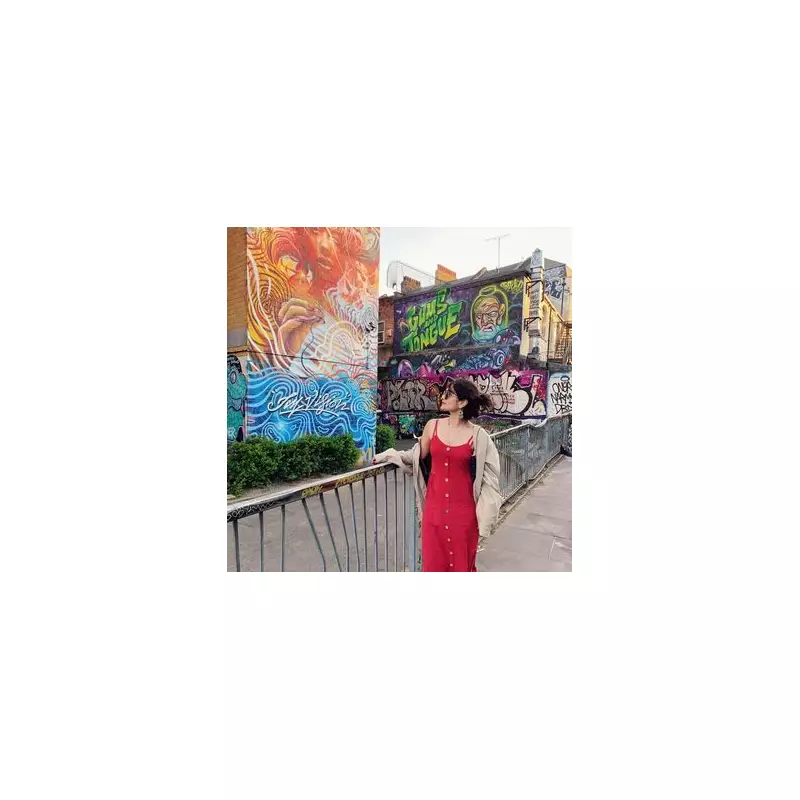
In 2019, a young journalist facing more than £30,000 in debt made a bold decision that would transform her finances. Zahra Khozema, then 23 and studying for a Masters in journalism, accepted an unpaid internship at the Canadian Broadcasting Corporation's London bureau, plunging herself into one of the world's most expensive cities.
The Hostel Solution in a Prime Postcode
With typical London rents posing an impossible barrier, Zahra turned to an unconventional solution. She secured a bed at Bowden Court hostel in Notting Hill, paying just £80 a week. This covered a lower bunk in a four-person female dorm, two daily meals, laundry, and gym access, all within one of the capital's most upmarket neighbourhoods.
"It was the cheapest I could find," recalls Zahra, now 30. "The room was tiny; if one person was standing up, it felt crowded." What began as a temporary fix became a year-long home, as she immersed herself in a diverse community of residents, from students and EU workers to British pensioners.

Community Spirit Versus Compromised Comfort
The hostel life fostered a strong sense of community. Residents threw parties, shared languages, and ate together. Zahra, a seasoned traveller, defends the hostel's reputation. "I've often found hostels to be as clean as Airbnbs and I very much prefer them over hotels," she explains. Bowden Court was cleaned twice daily, offered 24-hour security, and reduced rates for longer stays.
However, significant sacrifices were made. Privacy was scarce and storage was minimal. "All my possessions were crammed into my suitcase, bedside table and a slim wardrobe," she says. The lack of chairs meant roommates sat on beds, and the close quarters led to awkward moments. "My roommate started dating someone... they would use the top bunk while I was sleeping at the bottom."
A Clear Path to Financial Freedom
Despite the challenges, the strategy proved financially astute. While living at the hostel, Zahra secured full-time work in communications. Combined with reduced spending during the Covid-19 pandemic, her minimal living costs created a powerful debt-repayment engine.
"I was able to save all that money because my living costs were low with the hostel and the pandemic meant I wasn't going out," she states. After twelve months, she moved to a house-share with four friends from the hostel, a move that felt luxurious by comparison.
Her two-year UK chapter concluded with a remarkable achievement. "When I moved to the UK, I only had enough for a one-way ticket, but when I returned home after two years, I was clear of debt," Zahra reflects. "I have great memories from that time. I made friends for life. I was really grateful that I was able to do that."






