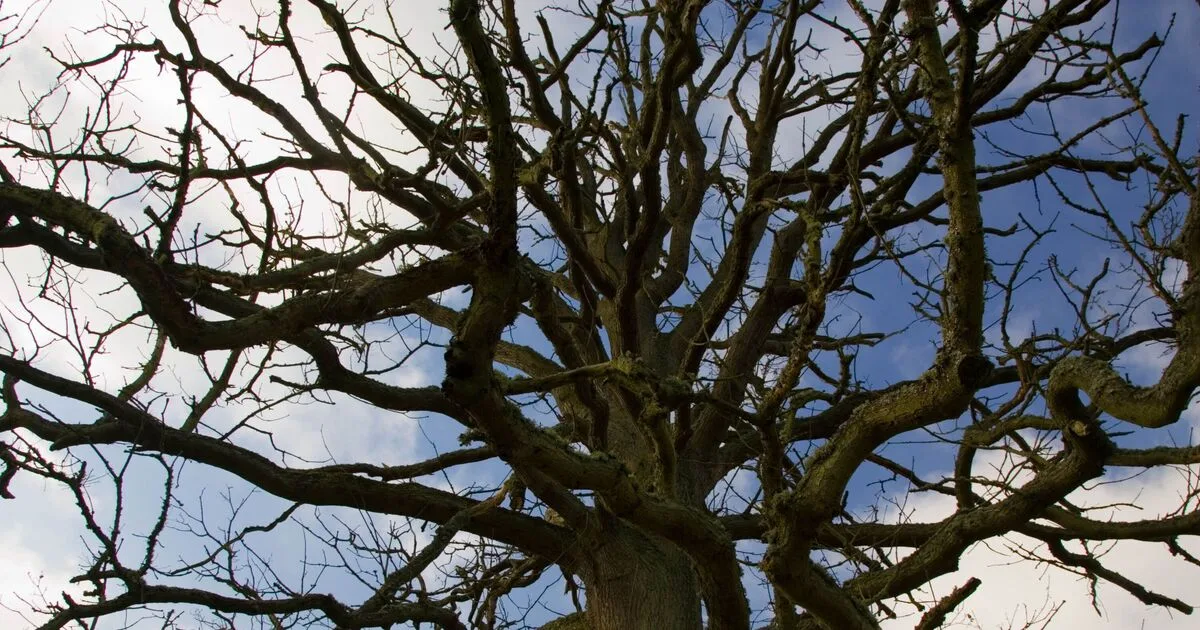
Homeowners with oak trees in their gardens have been warned about potential subsidence risks, particularly for properties built before the 1950s. The warning follows a Reddit user's query about an English oak tree located 6-7 metres from their Edwardian terraced house in South London, an area known for clay soil.
According to The Woodland Trust, tree roots from high-water uptake species like English oaks can dry out clay soil, causing it to shrink and leading to uneven foundations, cracks in walls, and damage to ceilings and doorways. Modern buildings with deeper foundations are less affected, but older homes are more vulnerable.
The Royal Horticultural Society lists English oaks as a high-water uptake tree, increasing subsidence risk on shrinkable clay. However, experts caution against felling mature oaks, as this can also trigger subsidence if roots decay and leave voids. Additionally, cutting large roots during construction may inadvertently kill the tree.
Before any tree work, homeowners must check for Tree Preservation Orders (TPOs), which require permission at least six weeks in advance, especially in Conservation Areas. Despite the risks, oaks provide significant environmental benefits, including carbon storage, wildlife habitat, and shade.