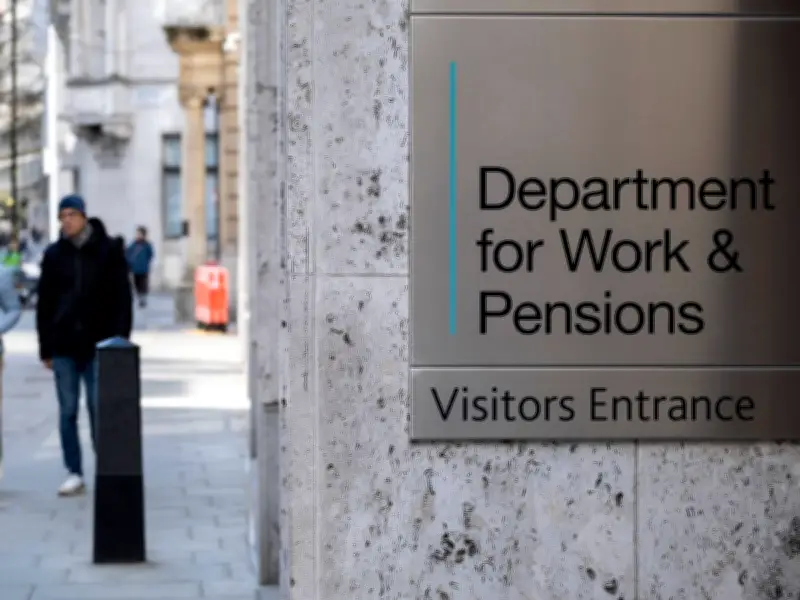
The Department for Work and Pensions (DWP) has confirmed that over 400,000 households across the UK will see their benefits increase following the abolition of the two-child limit. The policy, which restricted child tax credit and Universal Credit (UC) to the first two children in most households, was officially scrapped by Chancellor Rachel Reeves on April 6.
Background to the policy change
After months of pressure from Labour backbenchers, Reeves announced the decision in her Autumn Budget last November. She stated that the party did "not believe that the solution to a broken welfare system is to punish the most vulnerable children." The move is expected to lift 450,000 children out of poverty by the end of 2029/30, according to government estimates.
Prime Minister Sir Keir Starmer said the change demonstrated that the government was "on the side of the British people." However, Conservative leader Kemi Badenoch criticised the decision, arguing that the government was favouring benefits claimants over working people.

Impact on households and children
According to DWP figures, approximately 436,780 households in Britain are expected to see an increase in their Universal Credit in the coming months. These households are home to 1,544,900 children. The data, covering England, Scotland, and Wales, also reveals that nearly six in ten (58%) of the affected households are in work.
Universal Credit is a payment designed to help with living costs, available to people in work on low incomes, as well as those out of work or unable to work. The two-child benefit limit had reached a record high of 469,780 households across Britain in the year to April 2025, with 59% of those households in work and home to 1.7 million children.
Regional variations in Greater Manchester
In Greater Manchester, 111,720 children were living in UC households affected by the limit. The constituencies of Blackley and Middleton South, and Salford were the most impacted in the county. In Blackley and Middleton South, 7,720 children were affected, representing 28% of the child population—one of the highest rates in the UK, with only seven other constituencies having a higher proportion.
In Salford, 6,130 children (28%) were impacted, while in Manchester Central, 27% of children were affected. Bolton South and Walkden saw 26% of children impacted, and Manchester Rusholme and Gorton and Denton each had 25% of children affected. In contrast, only 5% of children in Cheadle and in Altrincham and Sale West were impacted, with Hazel Grove at 9% and Manchester Withington (including Chorlton and Didsbury) at 11%.
Timeline for poverty statistics
Because official poverty statistics are published annually with a 12-month lag, the full impact of the rule change will not be evident until the figures for 2026/27 are released, likely in spring 2028. The DWP continues to monitor the rollout of the policy change, which is expected to provide significant financial relief to hundreds of thousands of families across the UK.