Boost Your Radiator's Performance With This Simple Hair Dryer Hack
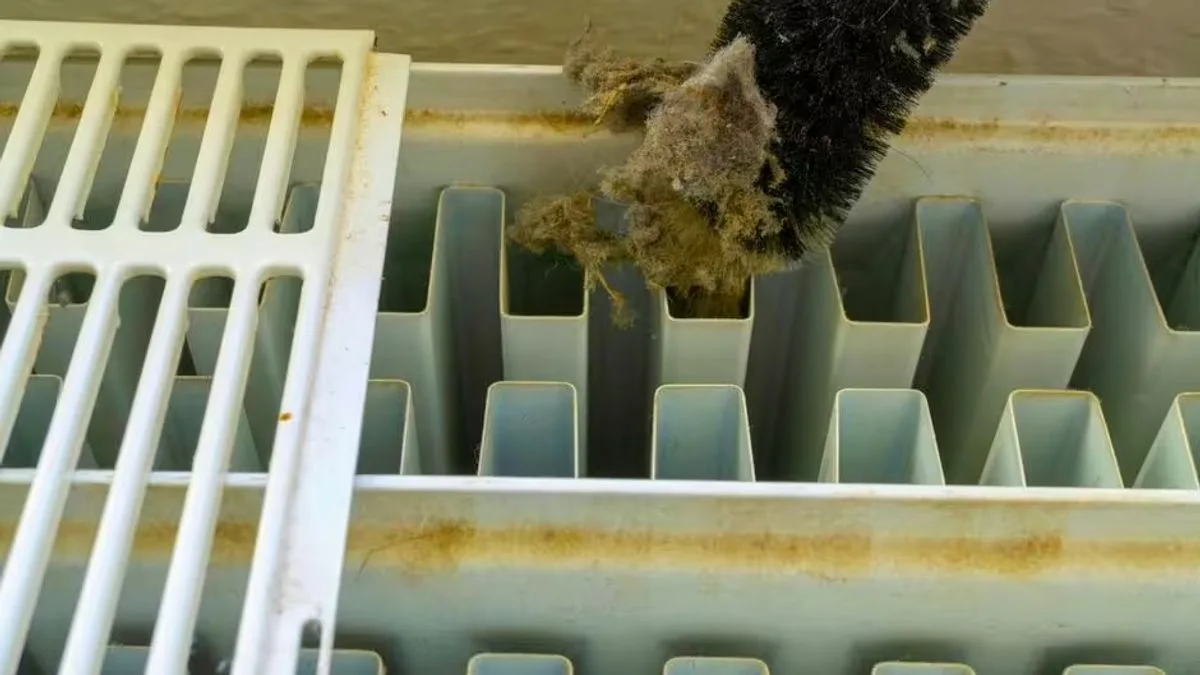
As February approaches, bringing with it the UK's coldest temperatures, maintaining efficient home heating becomes paramount. Many households find their radiators losing effectiveness during late winter, often due to months of accumulated dust, lint, and airborne fibres. This debris clogs the internal fins, restricting airflow and trapping heat inside the unit rather than distributing it throughout the room.
The Professional Cleaner's Revelation
On the popular Mrs Hitch Facebook page, a cleaning professional shared a remarkably straightforward method that has proven highly effective. A woman named Liz posted her experience, stating: "I would like to thank everyone who recommended using a hairdryer to remove fluff from radiators. Just tried it and wow what I got. Very simple but effective." Her post received enthusiastic engagement, with over 150 likes and numerous comments praising the technique.
One commenter remarked: "Never thought of this. Brilliant idea!" while another confirmed: "I've done this, it's quite effective." The method addresses a common frustration: traditional cleaning tools like dusters often fail to reach deep-seated debris, while disassembling radiators is too complex for most homeowners.
Why This Method Works So Well
Radiators rely on proper air circulation to heat rooms efficiently. When clogged, they work slower, consuming more energy while leaving homes uncomfortably cold. According to reports, this inefficiency can significantly increase electricity bills during winter months.
The hair dryer provides an ideal solution by delivering a powerful, concentrated stream of air through the radiator's narrow gaps. This force dislodges accumulated fluff and dust, blasting it out completely. It represents one of the quickest, simplest maintenance methods available, requiring no special tools or technical knowledge.
Step-By-Step Guide To Radiator Revival
Follow these careful steps to clean your radiator effectively:
- Ensure the radiator is completely switched off and cooled down before beginning any cleaning procedure.
- Place a towel or cloth at the radiator's base to catch falling dust and debris during the cleaning process.
- Set your hair dryer to the lowest heat setting, preferably using a cool air option if available. Excessive heat risks damaging radiator paint or plastic components.
- Position the hair dryer nozzle at the top of the radiator, between the metal fins. Turn it on and slowly move it along the radiator's length, allowing the air stream to force out accumulated dust.
- Continue this process until no more dust emerges from the radiator's interior sections.
- Carefully gather the towel containing the debris and dispose of the dust buildup in your bin.
- Vacuum the surrounding floor area if necessary to remove any residual particles.
Once completed, your radiator should demonstrate significantly improved heating performance, distributing warmth more effectively throughout your living space. This simple maintenance task can help ensure your home remains cosy and comfortable throughout the remainder of winter, while potentially reducing energy consumption and associated costs.