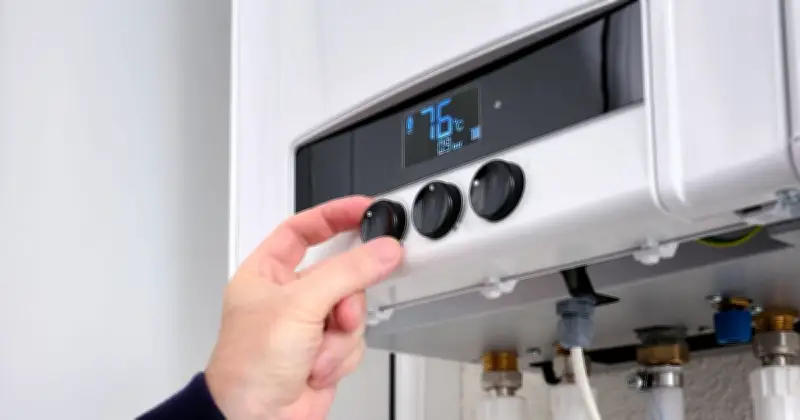
Households with a boiler are being urged to make a simple 60-second change before July, when Ofgem’s new energy price cap takes effect. The regulator has confirmed a 13% increase from July 1, adding £18 per month to the average dual-fuel bill. This rise, driven by higher wholesale gas prices amid the Middle East conflict, will bring annual energy costs to £1,862 for typical households on standard tariffs, up from current levels. Analysts at Cornwall Insight predict further increases, with the October-December cap forecast to reach £1,899 per year.
Energy Price Cap Details
From July 1, gas costs per kWh will rise from 5.74p to 7.33p—a 28% increase, the highest since September 2023. Electricity rates will rise by just under 6%. The cap, updated quarterly, will apply until September 30.
Expert Advice on Boiler Adjustment
Energy experts recommend adjusting the boiler’s flow temperature to save money without compromising comfort. Most boilers are set too high by default, around 70-80°C, which wastes energy. Lowering the flow temperature to between 55°C and 60°C can cut energy bills by 12%, saving up to £87 per year. At this lower setting, boilers operate in condensing mode, recovering heat that would otherwise be lost. This adjustment does not affect the thermostat’s set temperature, though radiators may take slightly longer to warm up.
Octopus Energy Recommendations
Octopus Energy advises: for combi boilers, set flow temperature to 50°C for heating and 55°C for hot water. For boilers with a hot water cylinder, set flow temperature to just over 60°C and the cylinder to 60°C.
How to Adjust the Boiler
Stephen Day, Gas Safe Engineer at iHeat, explains: locate the flow temperature control on your boiler panel, often marked with a radiator symbol. Set it to 60°C if numbers are shown, or use the midpoint as a guide. Monitor your home’s warmth and adjust slightly if needed. If your boiler is connected to a hot water tank, consult a professional before making changes.
Now is the ideal time to implement such cost-saving measures ahead of the 13% price cap hike and potential further increase in October. The price cap sets maximum rates per unit and standing charges, not total bills, so higher usage still means higher costs. Even households on fixed tariffs can benefit from this quick and simple adjustment.