
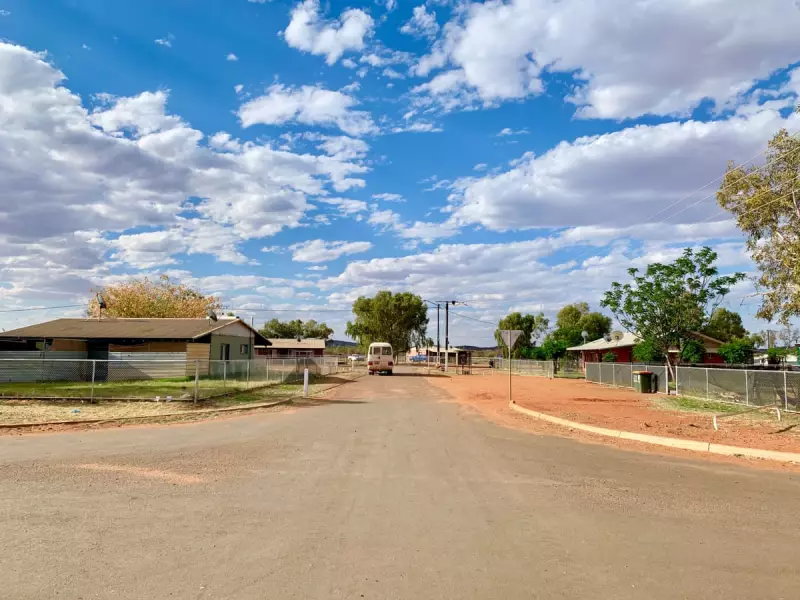
In a landmark decision with profound implications for social justice and housing rights, Australia's High Court has unanimously overturned a contentious federal housing policy. The policy had led to rents tripling for residents in some of the nation's most remote Indigenous communities.
A Policy with Devastating Consequences
The case centred on the National Partnership Agreement on Remote Indigenous Housing (NPARIH) and its subsequent iterations. The Commonwealth policy, implemented over several years, transferred responsibility for managing and maintaining social housing in remote areas from state governments to community-based Indigenous organisations.
While framed as a move towards self-determination, a critical flaw emerged. The federal government insisted these local organisations charge market-based rents to cover the full cost of maintenance and tenancy management. In extremely remote locations with virtually no private rental market, the government's own valuation process set these "market" rates at levels up to three times higher than what residents had previously paid under state-managed systems.
For many residents living in poverty and reliant on welfare payments, the sudden spike was catastrophic. The court heard evidence that the increased charges consumed an unsustainable portion of household income, pushing families into severe financial hardship and exacerbating overcrowding as people could no longer afford their homes.
The Legal Challenge and Unanimous Ruling
The legal challenge was brought forward by residents from communities including Santa Teresa (Ltyentye Apurte) near Alice Springs. They argued that the Commonwealth's imposition of full cost-recovery rents was unlawful. Their legal team contended the policy was invalid because it effectively imposed a tax or demanded money not authorised by Parliament, bypassing proper legislative scrutiny.
On 3 December 2025, the full bench of the High Court agreed. In a decisive 7-0 ruling, the justices found the Commonwealth's actions exceeded its executive power. The court determined that forcing local housing organisations to levy these specific rents to repay Commonwealth grants constituted an unlawful demand for money. This invalidated the core financial mechanism of the policy.
The ruling emphasised that while the Commonwealth can fund housing programs and attach conditions to grants, it cannot compel third parties (the local organisations) to collect money from citizens for the primary purpose of reimbursing the government, without clear parliamentary authority.
Implications and the Path Forward
The immediate effect of the judgment is to nullify the rent-setting provisions that caused the drastic increases. It throws the future funding model for remote Indigenous housing into question, requiring a urgent rethink by the federal government in collaboration with states and territories.
Advocates and community representatives have hailed the decision as a major victory for justice. They argue it exposes how technocratic policy, detached from on-the-ground reality, can inflict immense harm on vulnerable populations. The case underscores the critical need for housing policies to be both affordable and culturally appropriate, recognising the unique socio-economic circumstances of remote Aboriginal communities.
Attention now turns to the government's response. Authorities must develop a new, lawful framework for supporting remote housing. There are calls for this process to be co-designed with Indigenous communities to ensure affordability and proper maintenance are not mutually exclusive goals. The ruling serves as a powerful reminder that advancing self-determination must be done with communities, not to them, and cannot come at the cost of pushing people into deeper poverty.




