Oral Weight Loss Pill Set to Transform Consumer Spending
The approval of the first oral weight loss pill in the UK this month is expected to fundamentally reshape how millions of people shop and what retailers choose to sell, according to new research from PwC Strategy&. The study found that GLP-1 medications are already influencing spending habits across the UK, but the introduction of the oral pill will accelerate this shift.
The number of people in the UK using GLP-1s could increase from about three million to seven million by 2027, the study showed. Earlier this month, the Wegovy tablet, made by Novo Nordisk, was approved by the UK’s medicines regulator. Chemist4U reported that more than 10,000 people had joined the waiting list for a consultation ahead of the expected launch, with many expressing interest who had not previously used GLP-1 injections.
How GLP-1s Are Changing Shopping Habits
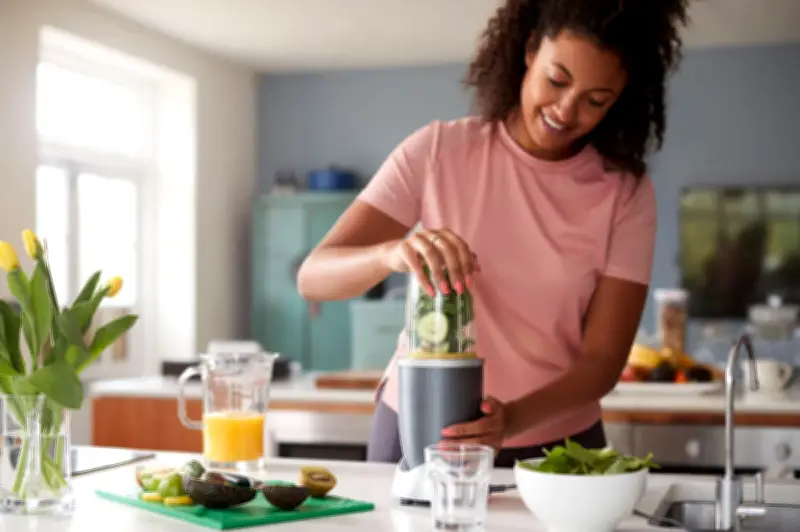
GLP-1 medications work by reducing food cravings and helping people feel fuller by mimicking the natural hormone released after eating. According to the PwC study, 70% of GLP-1 users are spending less in appetite-led categories such as snacks, confectionery, and crisps, while 60% are spending more on fresh food. Additionally, 40% are spending more on products that support nutrition, fitness, and confidence, such as vitamins and supplements.
The study also found that more than 80% of those who had stopped treatment maintained at least some of the dietary and grocery changes they adopted while taking medication. This suggests long-term shifts in consumer behavior.
Retailers Adapting to New Consumer Demands
Supermarkets, food chains, and brands have already begun introducing new products to cater to the growing number of people with reduced appetites. Sainsbury’s, Marks & Spencer, Waitrose, and Greggs are among those introducing nutrient-rich meals. PwC’s study indicated that the oral pill could accelerate a shift in habits already under way, with spending being reallocated across categories including food, nutrition, fitness, and wellness.
Jacqueline Windsor, head of retail at PwC UK, said: “GLP-1 is the most consumerised medication today. Users express renewed confidence and energy that are shaping their demand for nutritious food, fitness routine and wardrobe refresh – which represent a basket reallocation rather than reduction of spend.” She added that consumer businesses were likely to “reshape their portfolios” and “innovate to capture changing preferences.”
Demographics of GLP-1 Users
The study found that GLP-1 users represent a mix of genders, ages, and incomes, suggesting the medication is becoming mainstream. Women account for 60% of current users, and 80% are aged between 25 and 54. About 70% of users are accessing the medication privately rather than through the NHS, according to the research. The accountancy giant’s strategy consulting unit surveyed 2,300 UK adults for the report.