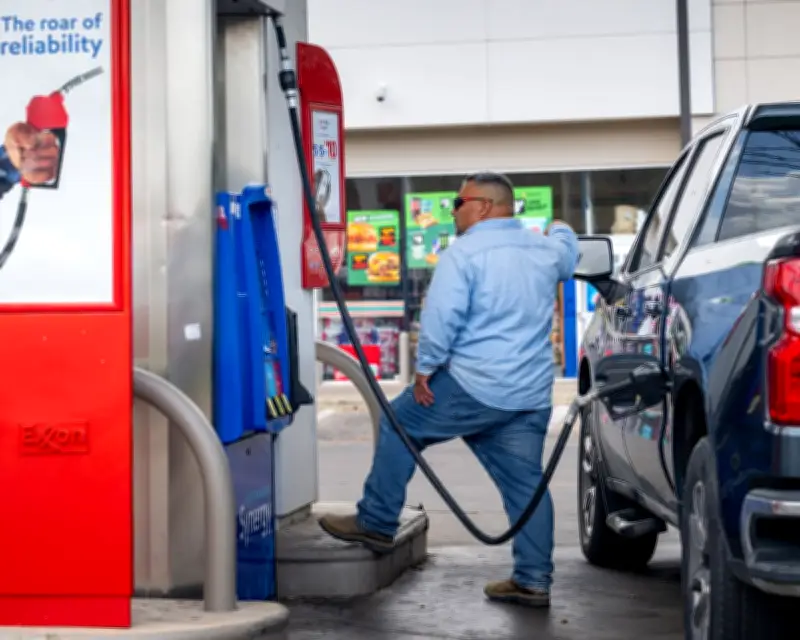
US diesel fuel prices have climbed back above $5 per gallon, with regular gasoline approaching $4, according to the American Automobile Association (AAA). This marks a return to the highs seen before the June memorandum of understanding between the US and Iran, highlighting the ongoing cost of the Iran conflict and unpredictable rhetoric from Washington and Tehran.
AAA data shows that a year ago, diesel averaged $3.72 per gallon—nearly $1.25 less than the current price. The renewed diplomatic uncertainty and recent US and Iranian airstrikes are pushing prices higher at the pump and on international wholesale markets.
Strait of Hormuz Disruptions
Earlier this week, Iran declared the Strait of Hormuz closed after both nations claimed to guarantee safe passage through the strategic waterway. The US then announced a blockade on all ship traffic to or from Iranian ports. These developments have fueled market volatility.
Crude oil prices stand at about $81 per barrel, down from the highs during the most intense phase of former President Trump’s Iran war, but wholesale prices have been driven by erratic White House news. On Monday, the president abruptly announced a plan to take over the strait and charge a 20% transit fee on cargo, only to drop the idea later.
Broader Economic Impact
AAA spokesman Robert Sinclair Jr. warned that diesel price hikes lead to rising costs across the board. “The impact is universal,” he said. “Everything gets to the retail consumer by diesel-burning truck.” Sinclair attributed the price increases to both production declines and public commentary from the White House, noting that Trump “puts in on the 20% and then it’s gone. So much of this is happening on whim that it’s really impossible. The markets respond to whim. This is a market subject to rumors and other kinds of activities rumor or imagined.”
The renewed tensions underscore the fragility of global oil supply routes and the direct effect of geopolitical events on American consumers.