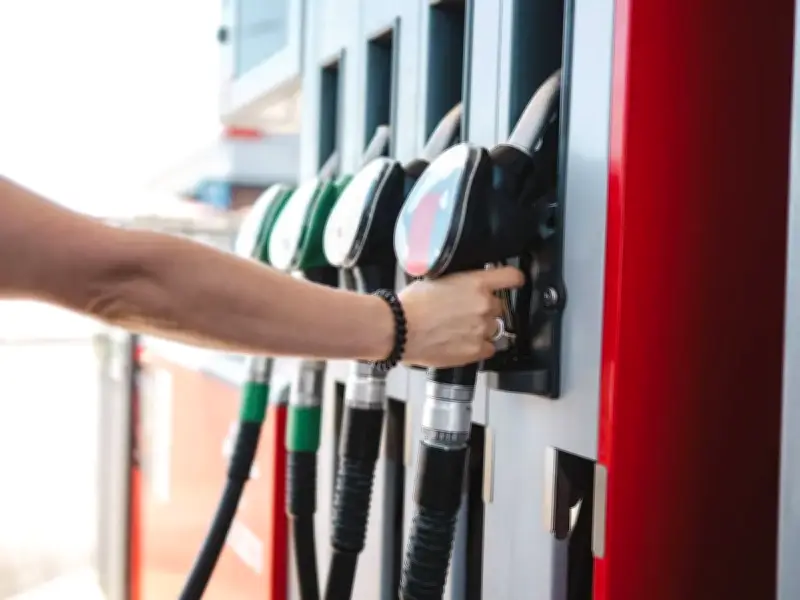
UK inflation rose to 3.5% in September, up from 3.1% in August, as higher fuel costs continue to hit drivers at the pumps.
The rise comes after the RAC said the average price of diesel surpassed £2 a litre for the first time ever at the beginning of this month, as the conflict in the Middle East continues.
Fuel costs and Middle East conflict
The war in Iran has disrupted oil production across the region, which in turn has pushed up the price of fuels made from crude.
Meanwhile, the cost of living is set to rise further this winter, as energy bills are predicted to increase again in the coldest months.
Energy bill forecasts
The Ofgem price cap for the typical household that pays by direct debit is currently set at £1,723 a year, but energy analysts at Cornwall Insight are forecasting an increase to £1,999 in January.
What is inflation?
Inflation is a measure of the rate at which the level of prices for goods and services rises over time. For example, if the rate of inflation is 3%, then something that cost £100 last year would cost £103 now.
When inflation goes up, it means prices are rising faster than before, and you get less for your money compared to previously.
The Bank of England has a target of 2% inflation and uses interest rates as a way of keeping price rises under control. When interest rates are higher, the cost of borrowing is more expensive, which means people are more likely to spend less.
When people spend less, demand for goods goes down, which then forces businesses to stop raising prices, or even lower them, which in turn helps bring inflation down.