The UK economy expanded by just 0.1% in the third quarter, according to figures from the Office for National Statistics, significantly below the 0.3% growth recorded in the previous quarter. The slowdown was exacerbated by a cyber-attack on Jaguar Land Rover, which contributed to a 0.1% fall in GDP in September.
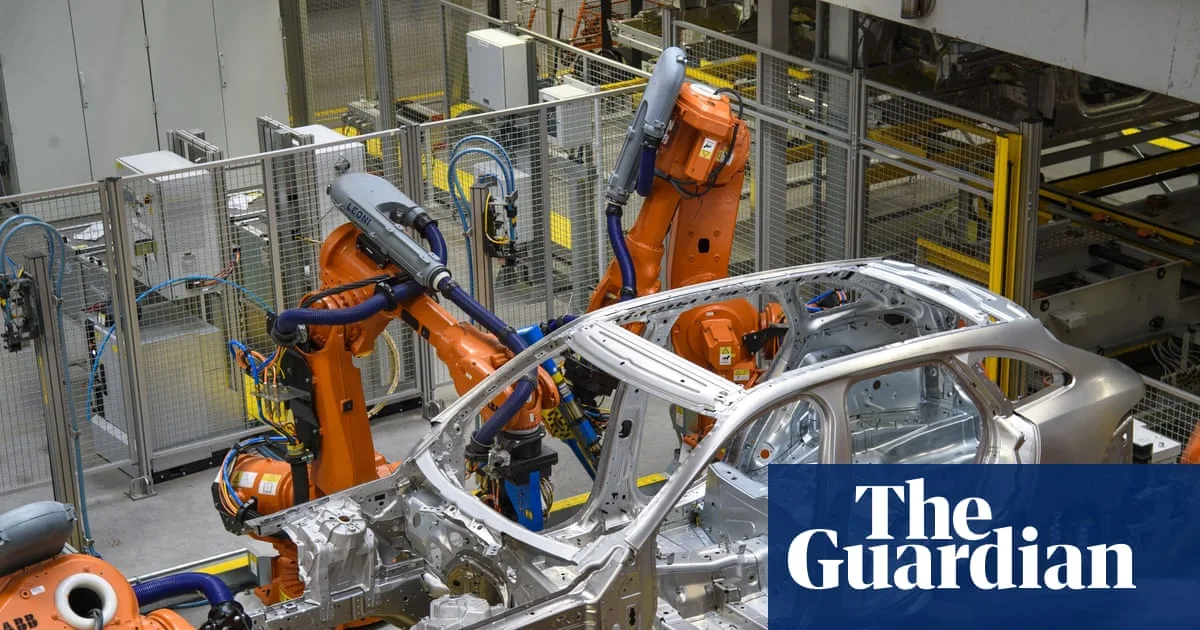
Manufacturing output took a substantial hit, with production falling 2.0% in September, driven by a 28.6% decline in motor vehicle manufacturing. The ONS highlighted the cyber-attack on Jaguar Land Rover as a key factor, alongside a broader slowdown in services growth, which eased to 0.2% from 0.4% in the second quarter.
The weaker-than-expected data has increased expectations of a Bank of England interest rate cut in December, following a narrow vote to hold the rate at 4% last week. The unemployment rate rose to 5%, the highest in four years, further dampening the economic outlook.
Chancellor Rachel Reeves faces a challenging budget later this month, with the government under pressure to stimulate growth while managing fiscal consolidation. A No 10 spokesperson described the GDP figures as “disappointing” but emphasised the impact of the cyber-attack, stating it was “clearly the primary driver behind the weaker September figures”.
Shadow chancellor Mel Stride criticised the government, saying the data showed a prime minister and chancellor “in office but not in power”. Business investment fell by 0.3% in the quarter, and construction output grew only 0.1%, casting doubt on the government's housebuilding targets.