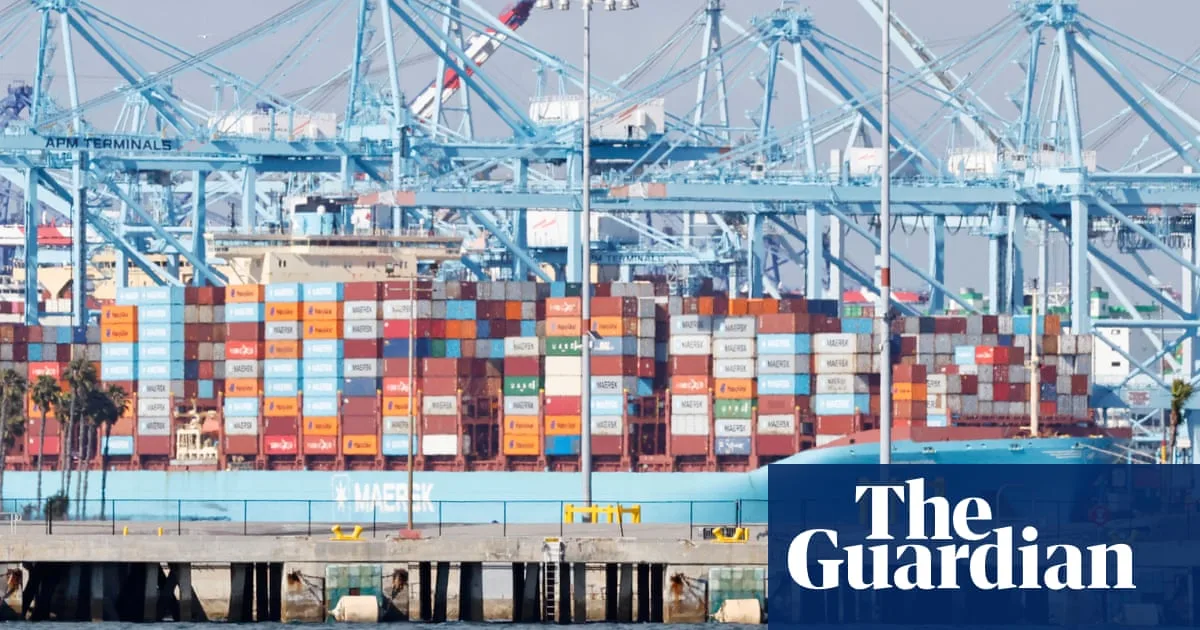
Donald Trump has threatened to impose tariffs of 10% to 12.5% on 60 trading partners, including the UK, over alleged failures to address forced labour. The proposed levies would also target the EU, Canada, Australia, and others, in what experts say is an attempt to circumvent recent court rulings that blocked his previous tariff policies.
The US Supreme Court ruled in February that Trump's 'liberation day' tariffs were illegal. After imposing 10% across-the-board tariffs, a US trade court also found those unlawful, though they remain in place pending appeal. The new forced labour tariffs would allow Trump to bypass these judicial limits on his protectionist agenda.
The EU immediately condemned the move, stating it expected the US to respect the tariff deal agreed last July. The European Commission said it 'fully shares' US concerns about forced labour but considers the tariffs unjustified. The UK government highlighted its Modern Slavery Act and ongoing negotiations with the US, insisting that existing preferential access for UK businesses remains unchanged.
According to a US Trade Representative report, only Canada, Ecuador, the EU, Indonesia, Mexico, and Pakistan have not failed to impose a forced labour import ban. However, the White House judged Canada's enforcement insufficient, and the EU's ban does not take effect until December 2027, leaving both vulnerable to tariffs. The UK would face a 10% levy, while China, Japan, India, and others would face 12.5%.
The tariffs are not immediate and are subject to public comment. Analysts warn that the disruption could unsettle trading partners, including Prime Minister Keir Starmer, who has worked to build trust with Trump and contain the costs of trade with his administration.