Officials have issued a warning over the future of the state pension after Andy Burnham hinted at his plans for the 'triple lock'. Under the triple lock, the UK’s state pension rises each year by whichever is highest out of inflation, wage growth or 2.5 per cent. Currently, men and women aged over 66 qualify for the state pension.
Burnham's Hints on Triple Lock
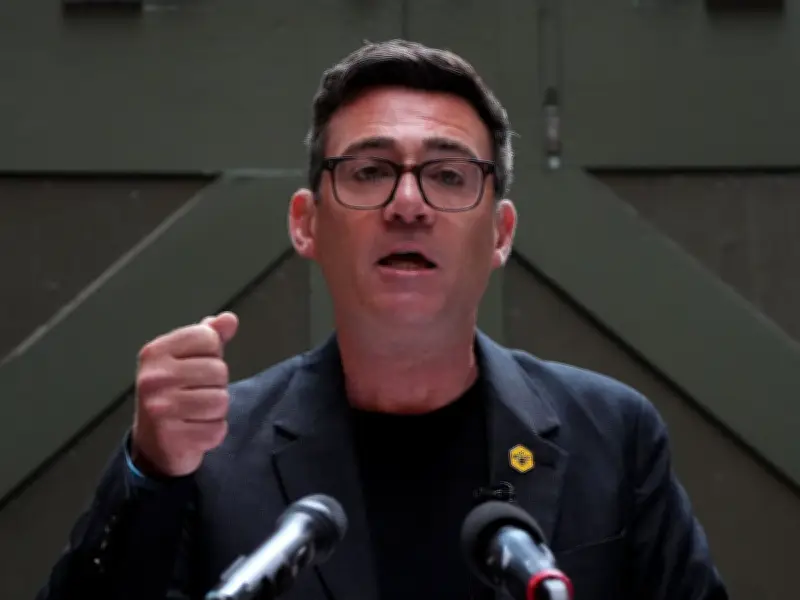
Last Friday (July 3), Mr Burnham said ‘it is important that the commitment in the manifesto stands’ when asked about the future of the triple lock. Labour’s 2024 general election manifesto commits to retaining the triple lock, suggesting Keir Starmer’s expected successor will keep the mechanism in place.
OBR Warning on Debt and Spending
But the Office for Budget Responsibility (OBR) has since warned the pension triple lock will add billions of pounds to public spending in the decades ahead, causing debt levels to spiral. Debt could be three times the size of the economy if they are not addressed by governments, the OBR said, casting doubts over its long-term affordability. Under its baseline scenario, state pension spending is projected to rise from 5 per cent of gross domestic product (GDP) to about 9 per cent by 2075-2076, and is therefore a big driver of increased pressure on overall public spending.

However, the triple lock isn't solely to blame for a potential debt explosion, the OBR added, pointing to the UK's increasingly ageing population. The triple lock is estimated to account for about a third of this rise.
Cost of Triple Lock Higher Than Expected
Volatile inflation and earnings growth means the triple lock has been more costly than initially expected when the measure was introduced in 2012. The OBR estimates that the triple lock will have added about £15.5 billion to state pension spending each year by 2029-2030 – up from the £5.2 billion a year that was originally costed.
“It is certainly a substantial pressure on public spending over the longer term and is making a very significant contribution to that upward pressure on spending,” said Tom Josephs of the OBR.
Alternative Options and Long-Term Outlook
If the state pension rises with earnings rather than the triple lock then it would reduce pressure on spending by about 2% of GDP, the OBR estimated in its modelling for alternative options. The OBR used its report to call on the UK to take early action to prevent debt from moving on to an “unsustainable and ever-rising path”. Under its baseline scenario, rising borrowing each year results in UK debt levels soaring from about 95 per cent of gross domestic product (GDP) in 2030-2031 to about 300 per cent of GDP by 2075-2076.