Spring Statement 2026: A Muted Affair with Significant Financial Implications
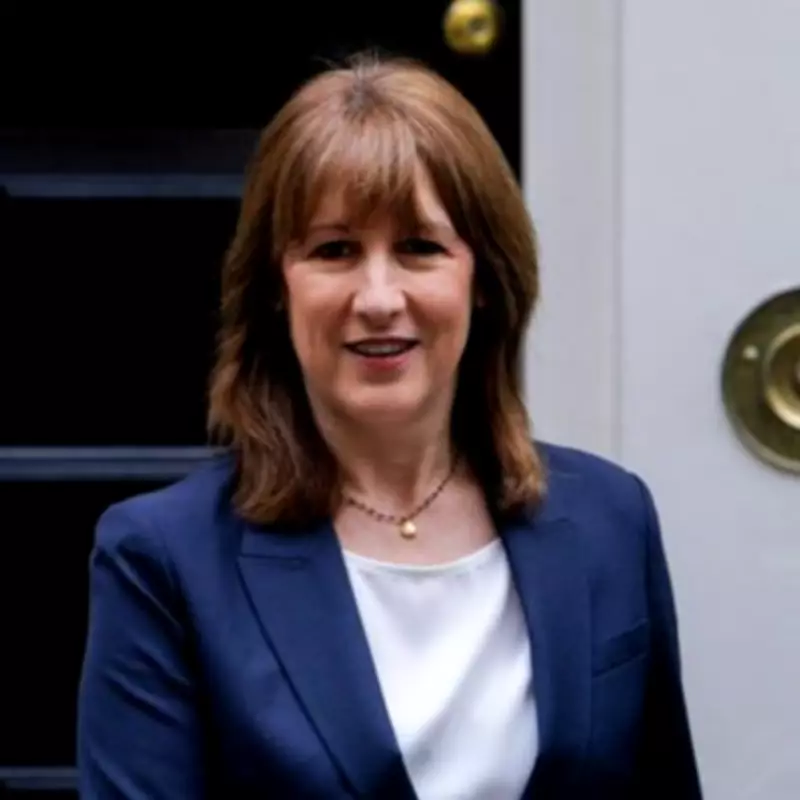
The upcoming spring statement on March 3, 2026, is being positioned by the government as a "low key" event, yet it holds considerable importance for the state of the economy and personal finances. Chancellor Rachel Reeves is expected to use this platform to highlight Labour's achievements in government while emphasising stability as a core principle.
Political Context and Economic Priorities
Following Labour's bruising defeat in the Gorton and Denton by-election, the party is keen to avoid further political setbacks. With the all-important May elections looming, Chancellor Reeves is likely to focus on heralding Labour's basis for growth and reassuring both voters and financial markets. The spring statement, unlike a full Budget, is designed to be a more muted affair, with reports suggesting it may last only around 20 minutes compared to the hour-long Budget speeches.
Reeves has made it clear that major fiscal announcements on tax and spending will be reserved for the autumn Budget. However, this does not rule out tweaks or updates that could impact many people. For instance, last year's spring statement included changes to benefits, though some were later reversed. The Chancellor will be cautious not to introduce any measures perceived as 'stealth' taxes on working people, and no new changes to alcohol or cigarette taxes are expected beyond those confirmed in the previous Budget.

Key Focus Areas and Forecasts
Much attention will be on updated forecasts from the Office for Budget Responsibility (OBR), which will be published on the gov.uk website following a review after a major blunder at the last Budget. The OBR is expected to provide estimates for growth and living costs, with the UK economy having grown just 1.3% in 2025 and experts predicting limited improvement in 2026.
On a positive note, inflation has eased significantly, rising at 3% in the year to January 2026, and the OBR may forecast a further slowdown ahead, aided by the £150 reduction in energy costs announced in the Budget. Other updates to watch include the jobless total, which hit a near five-year high of 5.2% in late 2025, and potential revisions to net UK migration forecasts, though the Institute for Fiscal Studies (IFS) does not anticipate major changes.
Implications for Borrowers and Savers
Cooling inflation could pave the way for an interest rate cut by the Bank of England, with expectations of a reduction from 3.75% to 3.5% at the Monetary Policy Committee meeting on March 19. This would benefit variable rate mortgage holders and other borrowers, while forecasts of slowing inflation and lower government borrowing costs might lead to cheaper fixed-rate mortgages. Ben Thompson of Mortgage Advice Bureau notes that while the statement itself may not trigger immediate changes for those on fixed rates, it could influence mortgage rate trends in the coming months.
For savers, the flip side is that lower borrowing costs typically mean reduced returns on deposits. Savers should expect deposit rates to continue falling if interest rates decline, though shopping around for the best rates remains crucial, as the difference between easy-access and best-buy savings accounts can be stark.
Potential Announcements and Expert Insights
Some experts suggest Chancellor Reeves might consider targeted help in specific areas. Grant Slade, an economist at Morningstar, points to youth unemployment as a potential focus. If fiscal headroom improves, the government could increase funding for initiatives like the "Youth Guarantee" scheme, a £820 million package aimed at creating 350,000 training and work experience opportunities for young people.
The IFS has warned of potential risks on the horizon that could necessitate another tough Autumn Budget, highlighting the need for cautious optimism. Overall, the spring statement 2026 is set to balance political prudence with economic updates, offering insights into the UK's financial trajectory without major upheavals.