

Spirit Airlines CEO Provides Update on Bankruptcy Filing and Vows 'A New Spirit'
Spirit Airlines' parent company has announced that the budget carrier anticipates exiting Chapter 11 bankruptcy protection in the late spring or early summer of this year. This development follows a preliminary agreement struck with lenders and secured creditors, which provides the necessary support to complete the airline's restructuring process.
Restructuring Towards a Leaner Future
The early-stage deal will enable Spirit to finalize significant changes to its fleet composition, route network, and overall cost structure. The airline is working towards emerging as what CEO Dave Davis describes as "a new Spirit" – a smaller, more efficient carrier that maintains its focus on offering low fares while introducing enhanced options such as premium economy and an upgraded first-class seating configuration with additional legroom.
"Spirit will emerge as a strong, leaner competitor that is positioned to profitably deliver the value American consumers expect at a price they want to pay," Davis stated confidently.

A Turbulent Journey Through Multiple Bankruptcies
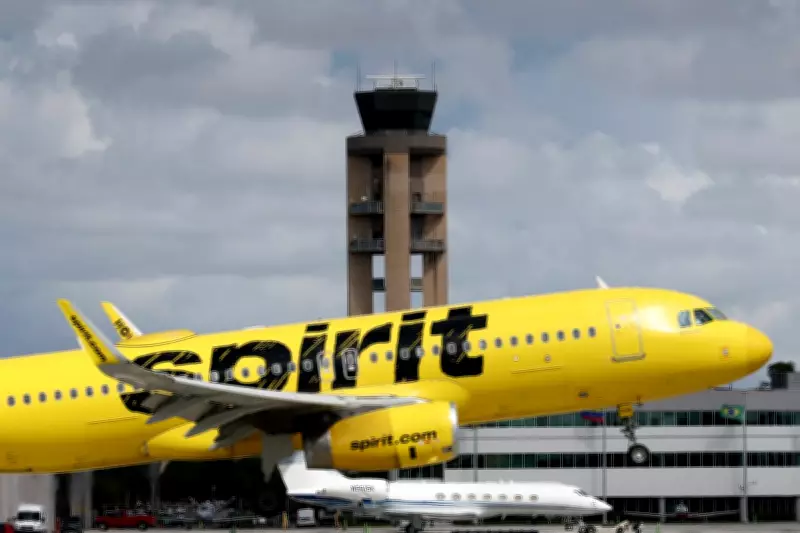
Known for its distinctive bright yellow aircraft and no-frills service model, Spirit Airlines has experienced considerable turbulence since the COVID-19 pandemic began. The carrier initially filed for Chapter 11 bankruptcy protection in November 2024, having accumulated losses exceeding $2.5 billion since the start of 2020 amid rising operational costs and mounting debt burdens.
After emerging from that first reorganization process in March 2025, Spirit surprisingly filed for fresh bankruptcy protection just five months later in August 2025. Davis explained that while the initial Chapter 11 petition primarily focused on debt reduction and capital raising, it became evident that additional restructuring was necessary to properly position the airline for future success.
"After exiting that process last March, it had become clear that there is much more work to be done and many more tools are available to best position Spirit for the future," the CEO noted regarding the decision to pursue a second bankruptcy filing.
Operational Changes and Industry Pressures
Following its second bankruptcy announcement within a year, Spirit implemented several operational adjustments including:
- Suspending service in approximately a dozen U.S. cities
- Furloughing 1,800 flight attendants
- Implementing additional furloughs and job reductions
The airline industry has presented particular challenges for low-cost carriers like Spirit, as larger mainstream airlines have increasingly introduced their own competitive low-cost offerings, creating intensified market pressure. This competitive landscape has compounded Spirit's existing difficulties stemming from pandemic-related disruptions and financial strain.
The forthcoming restructuring represents Spirit's strategic response to these multifaceted challenges, with the airline aiming to transform into a more sustainable business model while preserving its fundamental commitment to affordable air travel for American consumers.






