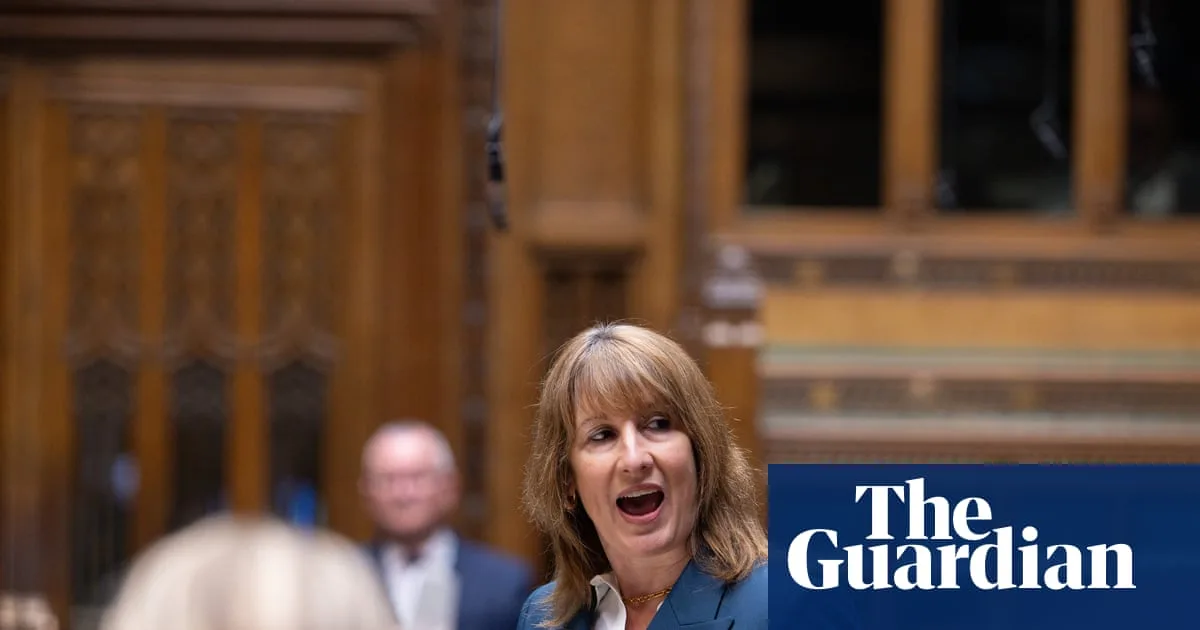
Chancellor Rachel Reeves has expressed frustration that the UK's economic recovery is being undermined by the US-Israeli attack on Iran, which she described as 'folly'. Speaking to allies, she insisted the government 'did not start this war and did not join this war', while arguing that before the conflict, the UK economy was on an upward trajectory.
Official data published in the past fortnight showed the UK economy grew by 0.5% in February, unemployment fell, and public borrowing dropped by £20bn in the year to March. Treasury sources said they needed to 'win the argument that the economy was turning the corner before the war'.
However, the conflict has sent oil prices above $100 a barrel for over a month, reversing improvements in bond market sentiment and threatening to wipe out half to two-thirds of the £24bn fiscal headroom Reeves built through tax rises. The Bank of England is now expected to raise interest rates, possibly as soon as next week, rather than cut them as previously anticipated.

Shadow chancellor Mel Stride blamed Reeves's own choices for weakening the economy, saying: 'Rachel Reeves can blame the world all she wants, but it’s her choices that have weakened our economy at the worst possible moment.' Reeves's team acknowledged that some earlier problems were self-inflicted, including the winter fuel allowance cut and tax rise speculation.
Ruth Curtice of the Resolution Foundation noted that before the war, 'growth, unemployment, inflation, public finances: they were all just ticking the right way'. She added that the shock came at 'really the wrong moment for a price shock, because we were emerging from stagflation vibes'.