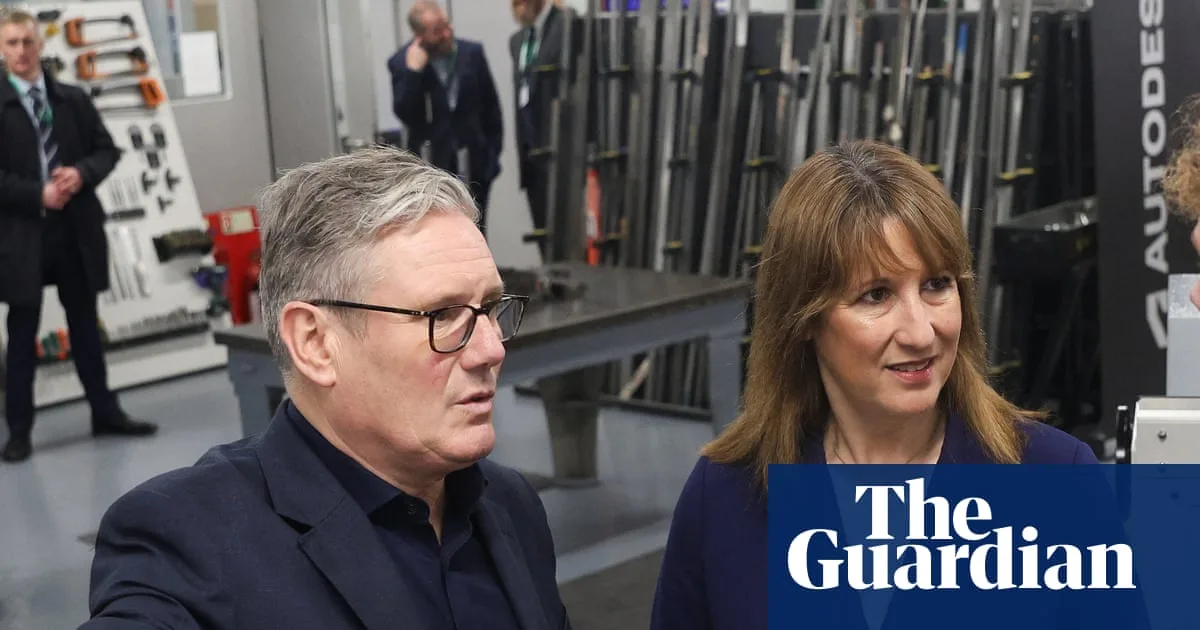
Chancellor Rachel Reeves has abandoned plans to raise income tax in the upcoming budget, reversing a key manifesto pledge after internal party turmoil. The U-turn, first reported by the Financial Times, comes after the prime minister and chancellor decided to ditch the proposal. Downing Street did not deny the reports, which said the plan had been sent to the Office for Budget Responsibility on Wednesday.
Reeves had previously informed the budget watchdog of plans to raise income tax, breaking one of Labour's key manifesto commitments. The FT reported that Reeves may now look at thresholds at which people pay tax, a move likely to be seen as an income tax rise by stealth. The chancellor is also expected to extend a freeze on personal tax thresholds introduced by the Conservatives.
Instead of a direct income tax rise, the government is likely to rely on several smaller tax-raising measures to fill an anticipated multibillion-pound hole caused by a downgrade in productivity and U-turns on winter fuel allowances and disability benefits. Among these are higher levies on gambling, pushed by former prime minister Gordon Brown, to pay for ending the two-child benefit limit. However, Treasury sources said revenues from the levies would not come close to funding that change.
The decision follows weeks of briefing wars and speculation over Keir Starmer's leadership, with health secretary Wes Streeting publicly denying any challenge. Labour MPs had already forced a damaging U-turn on welfare in July, and many remained alarmed at the impact of breaking such a significant manifesto promise. Government sources initially felt their charm offensive was working, but internal discontent has since burst into the open.
Reeves had earlier refused to rule out income tax rises, saying at a Downing Street press conference: "As chancellor, I have to face the world as it is, not the world that I want it to be." The Treasury had prepared Labour MPs for a potential breach, warning them not to speak out due to effects on bond markets and borrowing costs, but that message may now ring hollow after the dramatic U-turn.