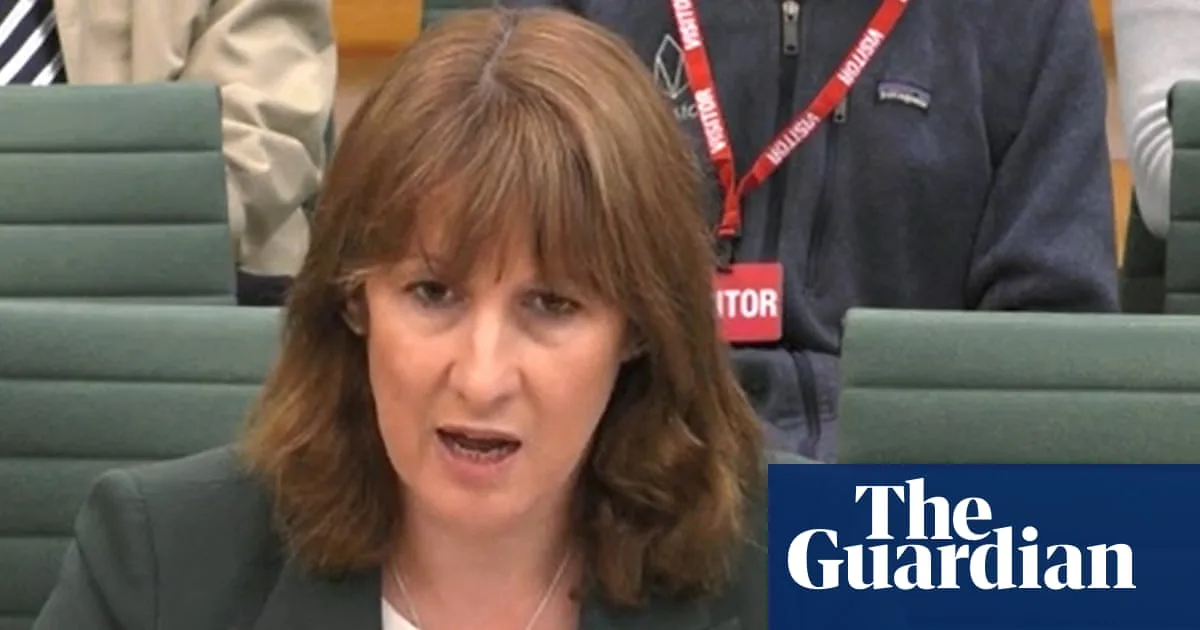
Rachel Reeves faces scrutiny over economic claims and fiscal rules
Rachel Reeves' economic claims under scrutiny

Chancellor of the Exchequer Rachel Reeves is facing mounting questions over the accuracy and feasibility of her economic pronouncements, with experts and political opponents scrutinising the foundations of her fiscal plans.

The Core of the Controversy

At the heart of the debate are the self-imposed fiscal rules championed by Reeves and the Labour government. These rules commit to reducing the national debt as a share of the economy within a five-year forecast period. Furthermore, the government has pledged that all major day-to-day spending will be funded through taxation, not borrowing. While designed to project an image of iron-clad responsibility, these very commitments are now being tested against the complex realities of the UK's public finances.

Critics argue that the economic landscape inherited by the Chancellor—marked by sluggish growth, high debt levels, and significant pressures on public services—makes adhering to these strict rules extraordinarily difficult without either raising taxes beyond what has been announced or implementing deeper cuts to public spending. The Institute for Fiscal Studies (IFS) has consistently warned that the next government, which is now Labour, faces a stark choice between higher taxes, lower spending, or breaching its own fiscal guidelines.

Scrutiny on Spending and Taxation

Detailed analysis suggests a potential gap between the government's rhetoric and the arithmetic of the Treasury. Key areas of concern include the funding for ambitious but costly pledges in areas such as the National Health Service (NHS), social care, and the green energy transition. Reeves has repeatedly stated she will not raise the key rates of income tax, National Insurance, or VAT, narrowing her revenue-raising options considerably.

This has led to accusations that the Chancellor may be relying on optimistic growth forecasts or unspecified future efficiency savings to balance the books—a strategy some economists label as overly hopeful. The opposition has seized on this, accusing the government of being "economical with the truth" about the tough choices that lie ahead. They contend that the public is not being given a full picture of the potential fiscal tightening required to meet the declared rules.

Political and Market Repercussions

The credibility of the Chancellor's fiscal framework is not merely a political debating point; it has real-world implications for financial markets and the UK's economic stability. Investors and credit rating agencies closely monitor a government's commitment to its stated fiscal targets. Any perceived slippage or ambiguity can affect borrowing costs and market confidence.

Reeves has built her reputation on a promise of "securonomic" stability and disciplined management. If this narrative is undermined by persistent questions over the viability of her plans, it could weaken her political authority and the government's ability to set the economic agenda. The coming months, leading up to the next budget, are likely to see intense pressure for greater transparency and detail on how the fiscal rules will be met without compromising key public services.

Ultimately, the challenge for Rachel Reeves is to navigate the treacherous path between maintaining fiscal credibility as she defines it and delivering the investment and improvements in public services that many expect from her government. The ongoing scrutiny suggests this balancing act will be a defining feature of her tenure at the Treasury.