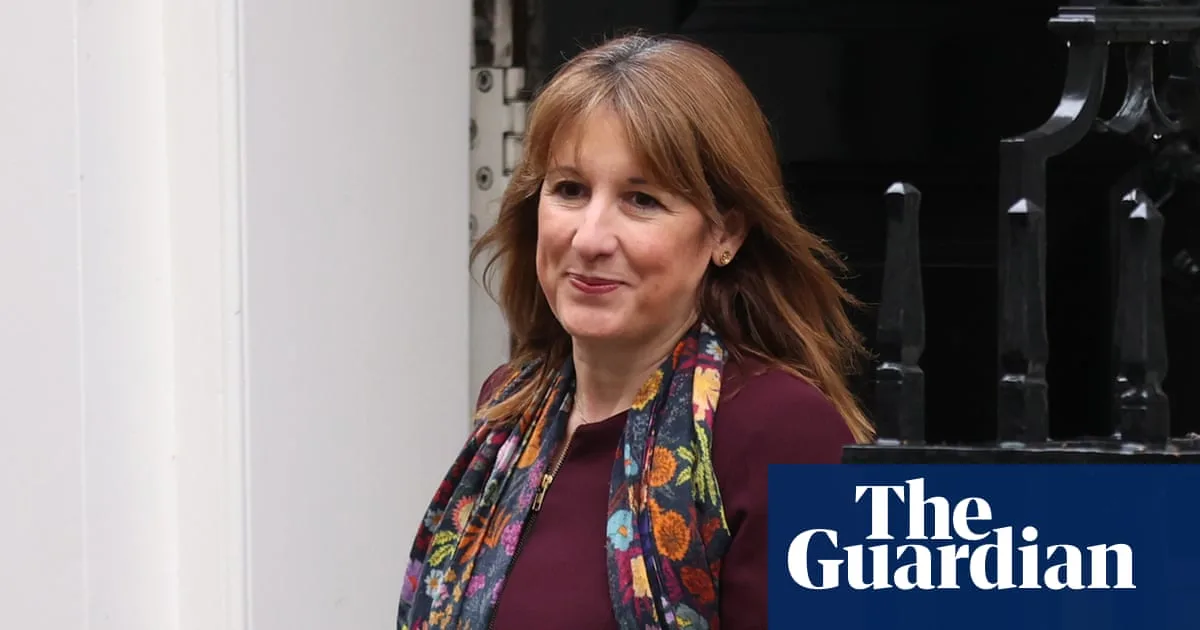
Rachel Reeves has said she is “sick of people mansplaining how to be chancellor to me” as she prepares to deliver her first budget next week. In an interview with the Times, the UK’s first female chancellor spoke of the pressure of the role and the constant political attacks she faces.
Reeves said she was motivated “a bit” to prove wrong those “boys who now write newspaper columns” or label her “Rachel from accounts”. She acknowledged having “a target on me” and described the media scrutiny as “exhausting”, but insisted she would not let it undermine her confidence.
The chancellor remained tight-lipped on specific budget measures, which are expected to include at least £20bn in tax rises through lower income tax thresholds, a levy on gambling, higher property taxes, and changes to pensions relief. She noted a key lesson since last year: “You have to take people with you from the start and keep explaining over and over again what you’re doing.”
Reeves also faced criticism during a meeting with a business leader over North Sea drilling tax, reportedly telling them: “Talk to me with respect – I’m the chancellor of the exchequer.” On Friday, she announced an extension of the freeze on NHS prescription charges at £9.90 for another year, saying: “No one should put their health at risk because they can’t afford their medication.”