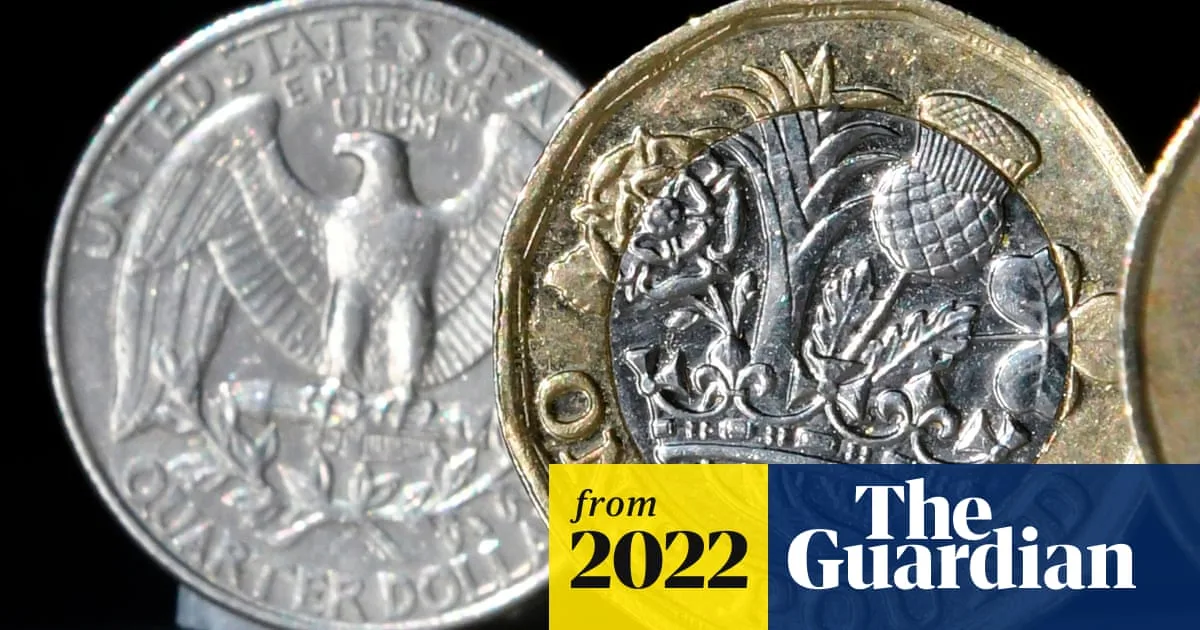
The pound sterling hit an all-time low against the US dollar on Monday, falling nearly 5% to $1.0327, its weakest level since decimalisation in 1971. The sharp decline followed Chancellor Kwasi Kwarteng's mini-budget, which unveiled £45bn in debt-financed tax cuts and spending measures, undermining investor confidence in UK economic management.
Even after recovering to around $1.05, the currency was down 7% over two trading sessions. City economists warned that the slump could force the Bank of England into an emergency interest rate rise. Paul Dales, chief UK economist at Capital Economics, suggested a large and immediate hike of 100 to 150 basis points, possibly as soon as Monday morning.
Shadow Chancellor Rachel Reeves expressed being 'incredibly worried' by the market reaction. Analysts described the sell-off as severe, with Chris Weston of Pepperstone calling the pound 'the whipping boy' of G10 currencies and noting that the UK bond market was 'getting smoked'. The mini-budget also caused the biggest single-day jump in government borrowing costs in decades on Friday.

Deutsche Bank's chief UK economist Sanjay Raja warned that the tax cuts added to medium-term inflationary pressures and raised the risk of a near-term balance of payments crisis. The UK's current account deficit had already widened to a record level, exacerbated by rising energy import costs. Bloomberg's options pricing model showed a 26% chance of sterling hitting parity with the dollar within six months, up from 14% on Thursday.
Economist Nouriel Roubini, who predicted the 2008 financial crisis, warned that the UK was being priced like an emerging market and heading back to the 1970s, potentially requiring an IMF bailout. However, Nobel laureate Paul Krugman noted that the pound's depreciation improved Britain's net international investment position, and a 1970s-style crisis was unlikely unless the Bank of England monetised the debt.
Kwarteng downplayed the market reaction, telling the BBC he was focused on boosting long-term growth rather than short-term market moves. 'As chancellor of the exchequer, I don't comment on market movements. What I am focused on is growing the economy and making sure that Britain is an attractive place to invest,' he said.